
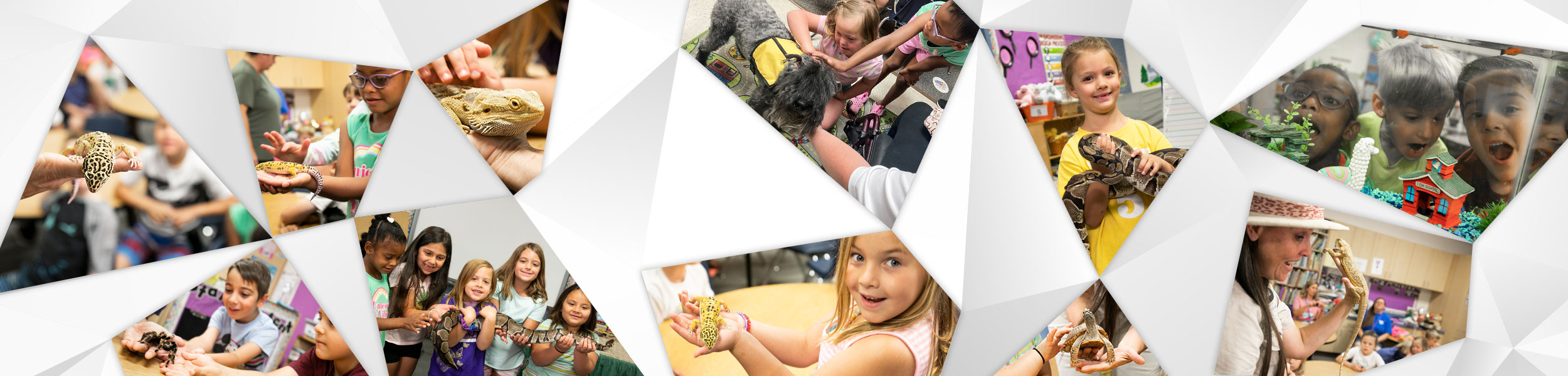
At Pets in the Classroom, our mission has always been simple yet profound: to enhance students' educational and personal development through interaction with pets [...]
Let’s be honest: in a world of screens and paved playgrounds, the "great outdoors" can feel like a distant concept for many students. But [...]
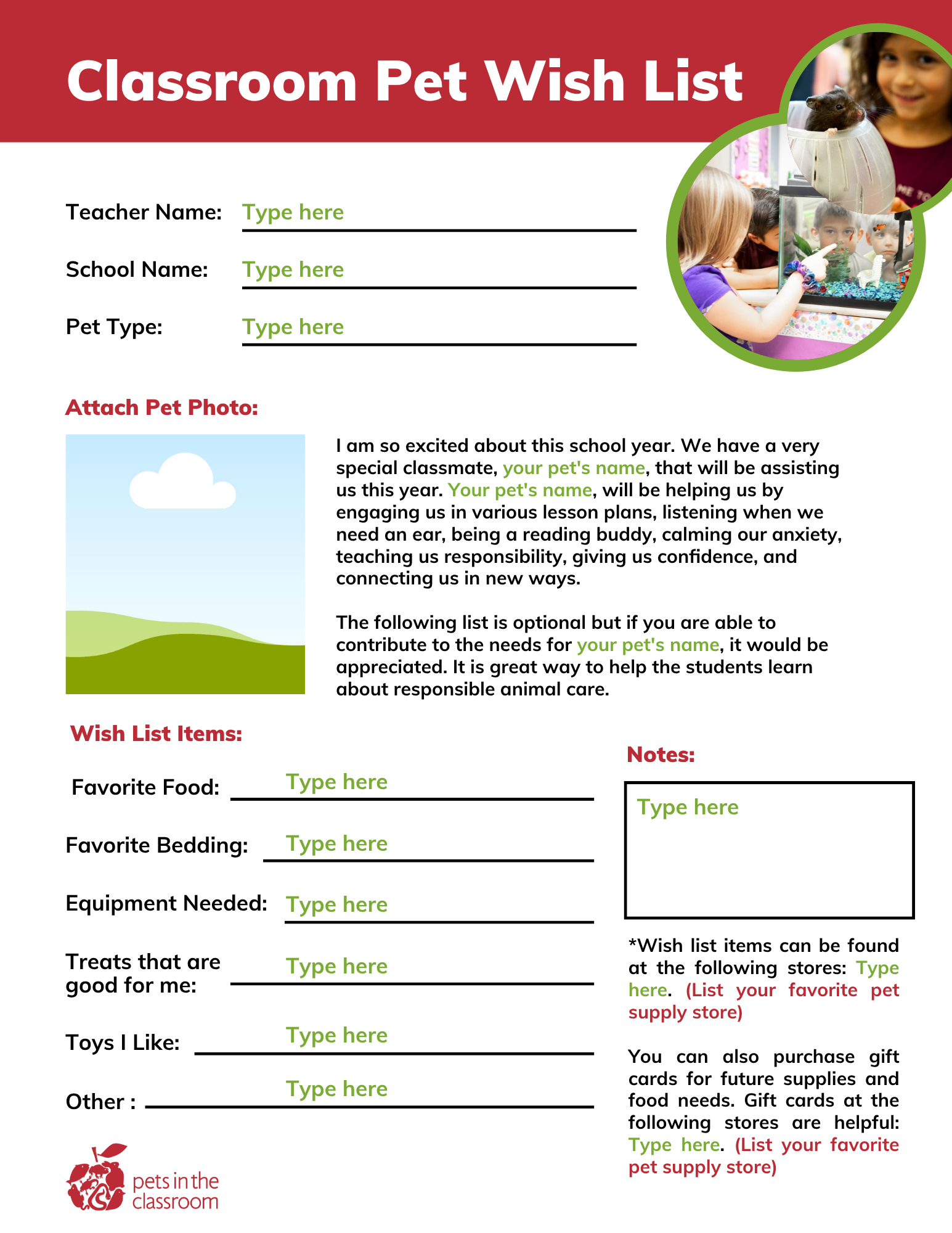
Classroom pets bring learning to life—but the cost of food, habitat supplies, and ongoing care can quickly add up for teachers. The good news [...]
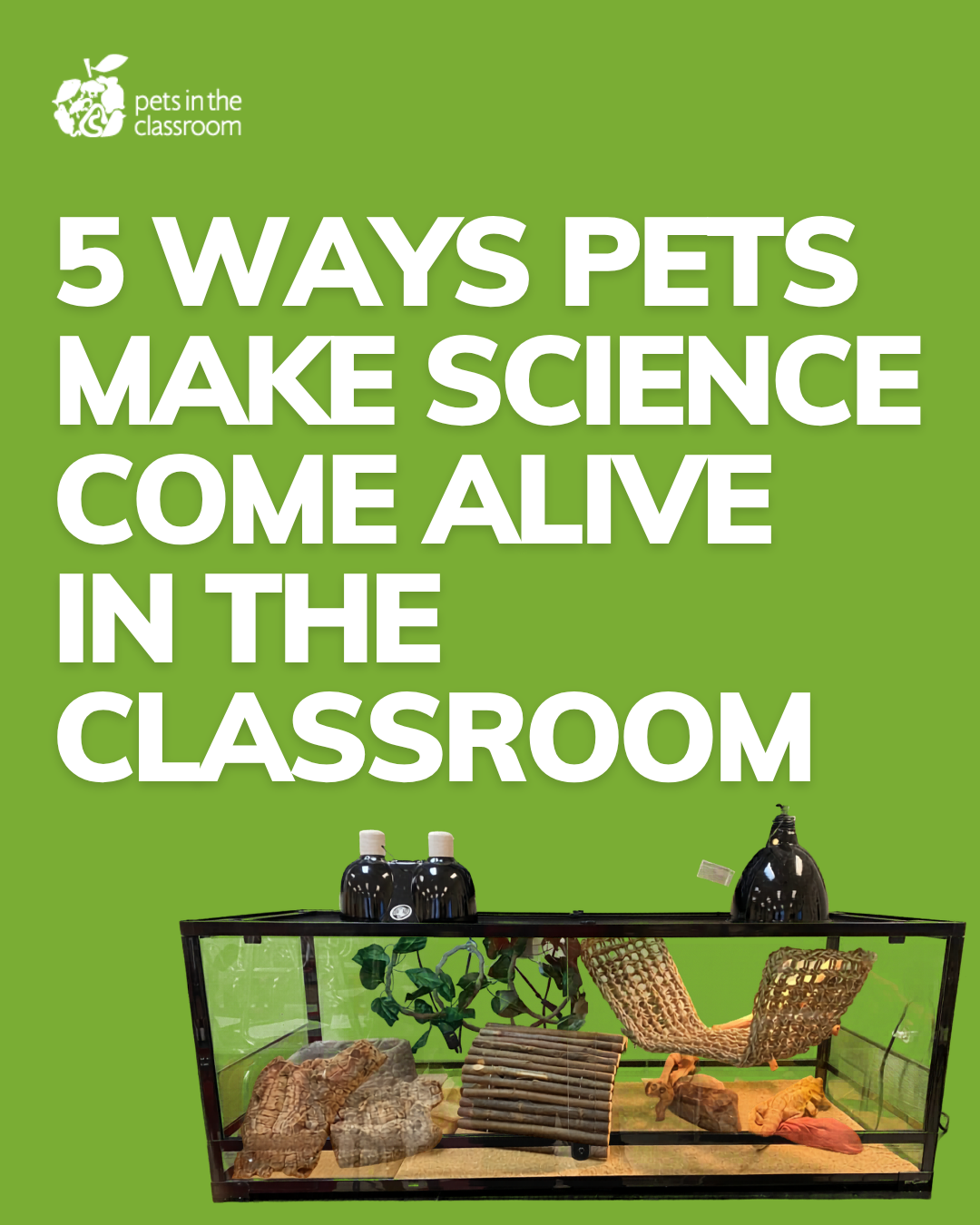
Science is most meaningful when students can experience it firsthand. Classroom pets turn abstract concepts into real, observable systems that students interact with every [...]
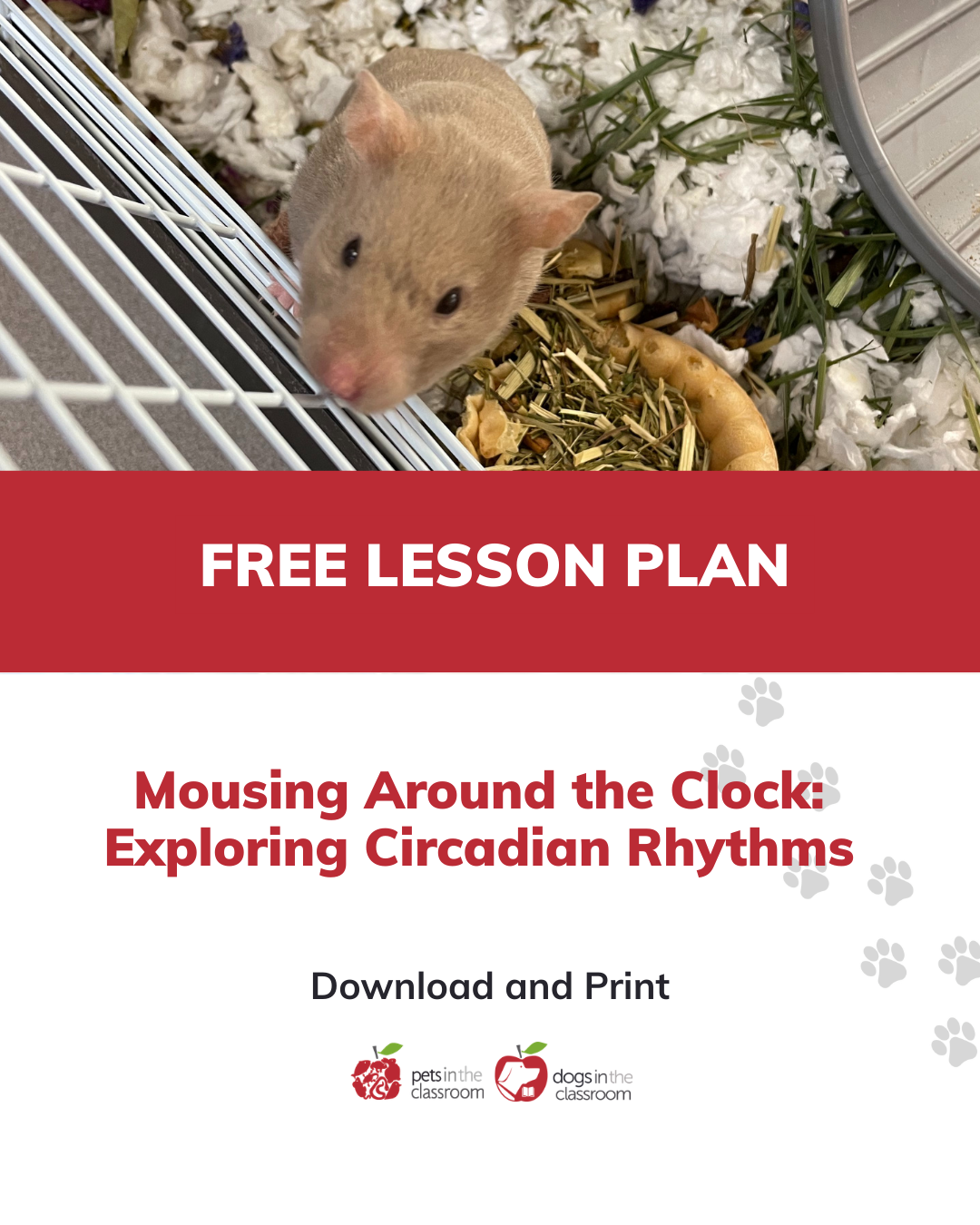
Understanding how animals respond to their environment is a key part of middle school science. Pets in the Classroom’s free, standards-based lesson, Mousing Around [...]

March is National Reading Month, a time when classrooms across the country celebrate books, storytelling, and the lifelong power of literacy. At Pets in [...]

Each year, the Pets in the Classroom Success Story Video Contest gives teachers the opportunity to showcase the incredible impact their classroom pets are [...]

Riley the Hamster’s Story at Academic Magnet High School In classrooms across the country, pets are often introduced as learning tools. But sometimes, they [...]

What Teachers Asked For—and How Your Feedback Is Shaping What’s Next January is a natural reflection point for educators. Classroom routines are established, student [...]

In 2025, teachers didn’t just tell us that classroom pets made a difference—they showed us how. Through surveys, contests, and personal reflections, educators shared [...]

What if one small classroom pet could spark curiosity, fuel problem-solving, and turn everyday routines into STEM learning moments? We’re thrilled to feature Kathy [...]

This fall, teachers across the country shared heartfelt stories about the joy, comfort, and learning their classroom pets bring each day. As part of [...]

As November arrives and the season of gratitude fills the air, many teachers are reflecting on what makes their classrooms special. For countless educators, [...]

The months of November and December are some of the busiest times in the classroom with parties, grading, and special activities all competing for [...]

Guinea pigs (Cavia porcellus) are charming, social, and engaging animals that make wonderful classroom pets. Their docile nature, gentle demeanor, and daytime activity make [...]

October is Emotional Wellness Month, a time to focus on the mental and emotional well-being of our students. For teachers across the country, one [...]

Having classroom pets can provide meaningful benefits when teaching STEAM by creating an engaging, hands-on learning environment. Classroom pets can also help reduce stress [...]

An axolotl (Ambystoma mexicanum), often referred to as a "Mexican walking fish," is fascinating aquatic creature that can captivate students’ imaginations and enhance classroom [...]

Practical Tips for Teachers Who Want to Provide a Big Impact on a Small Budget Classroom pets offer countless benefits to students—from boosting empathy [...]

Mr. Pickles: The Pet That Changed Everything Middle school is rarely described as magical—but for one science teacher and her students, a tiny hedgehog [...]

Bringing Learning to Life: Imagine walking into a classroom where students are gathered around a small animal habitat, eyes wide with curiosity and smiles [...]

As education systems continue to emphasize Science, Technology, Engineering, and Mathematics (STEM), many teachers are integrating these subjects into their daily instruction. Pets in [...]

Classroom Pet Grants Now Open for the 2025–26 School Year—Now Available Through 12th Grade! We’re excited to announce that the Pets in the Classroom [...]

Each year, the Pets in the Classroom grant program surveys teachers who have received funding for classroom pets. The 2025 results are in—and once [...]

When considering a classroom pet, one of the top questions teachers ask is: What happens to the pet during breaks? This article offers practical [...]

Starting July 1, 2025, even more students in public and private schools across the U.S. and Canada will experience the joy and benefits of [...]
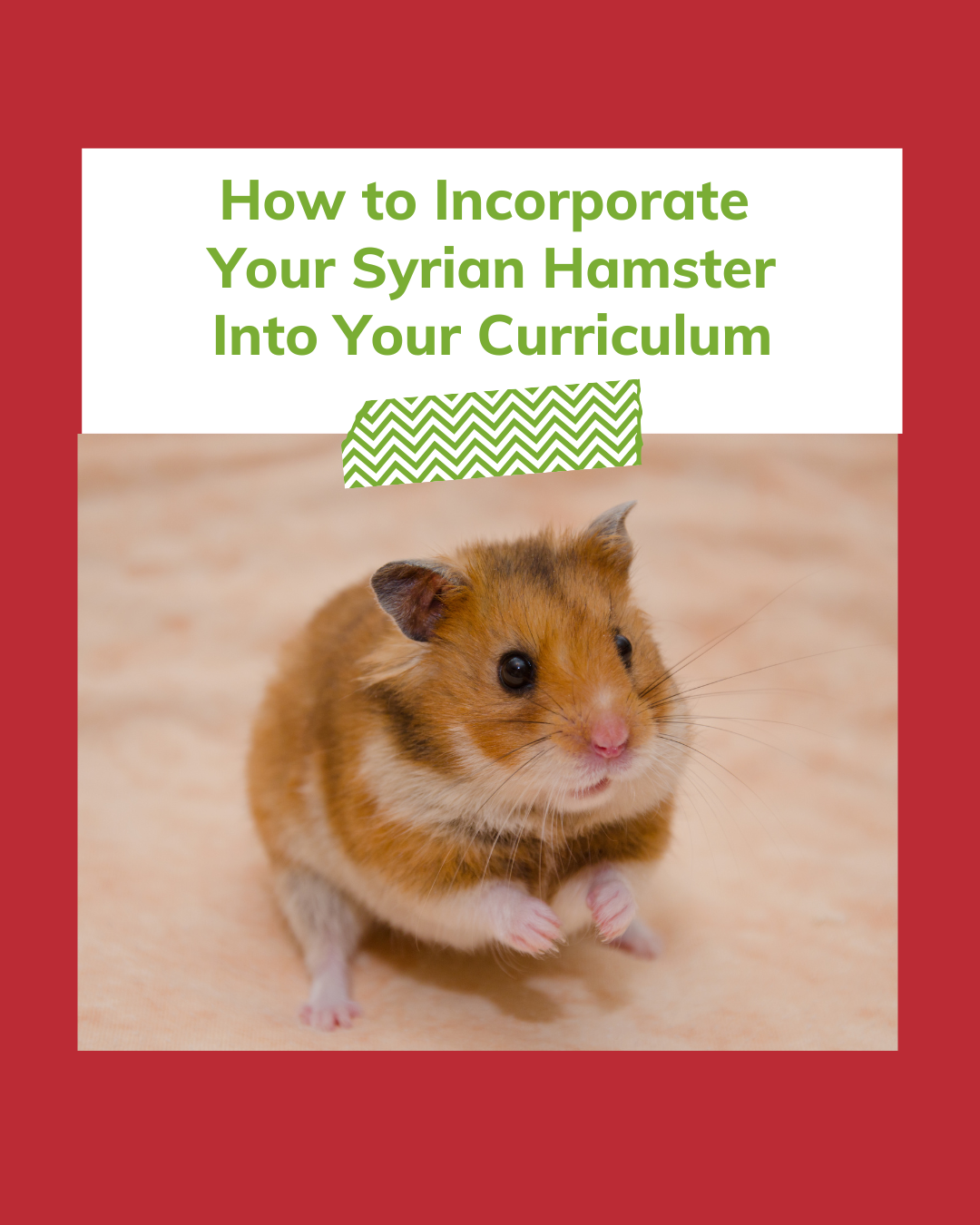
A Syrian hamster is more than just a classroom pet—it’s a unique opportunity to create engaging lessons that span science, math, and creativity. Here [...]

Meet the 2025 Pets in the Classroom Success Story Video Contest Winners! Every classroom pet has a story—and the 2025 Pets in the Classroom [...]
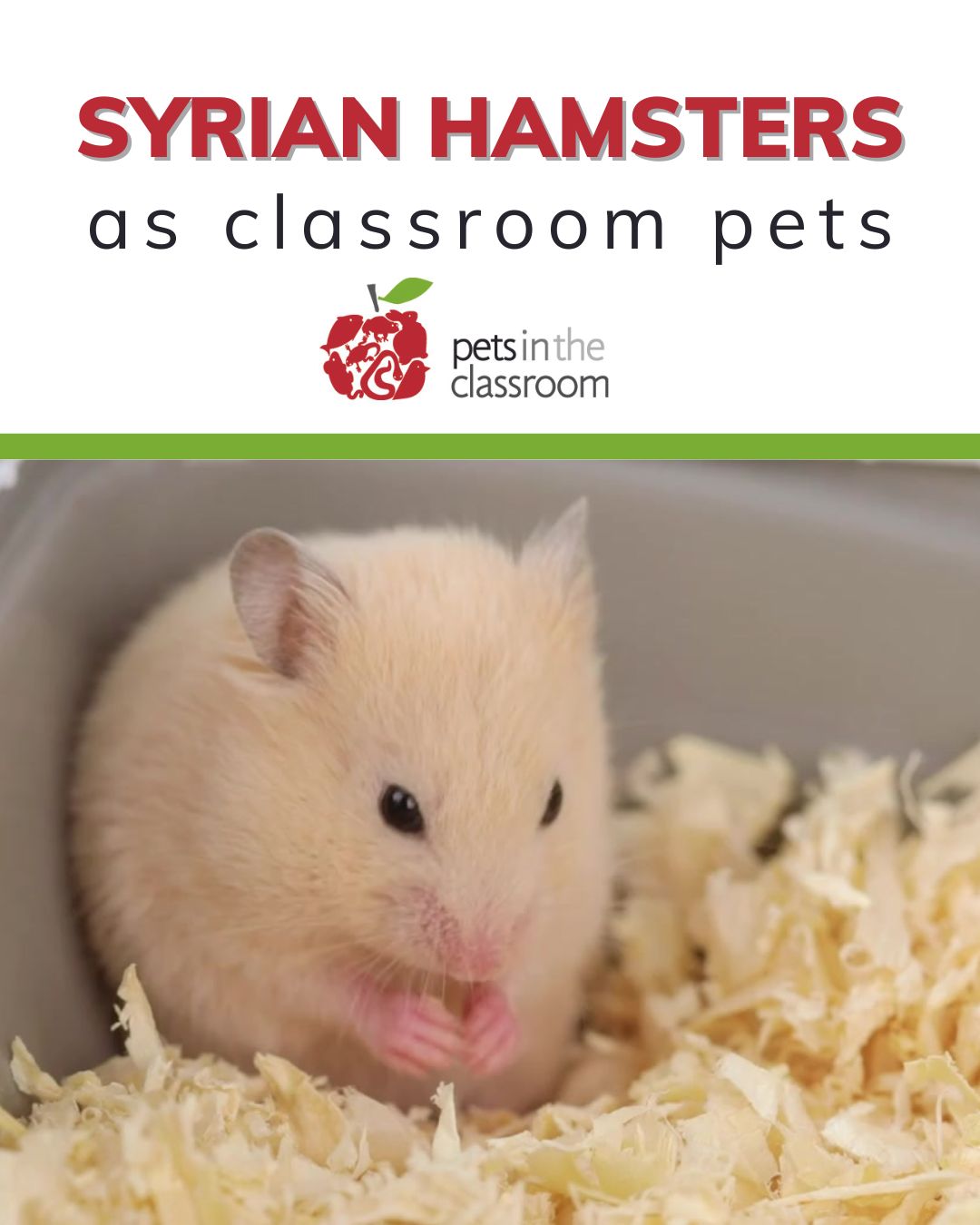
Syrian hamsters are native to the arid regions of Syria and Turkey, where they were first discovered in the 1830s. Domesticated since the 1930s, [...]

Big Changes Coming to Pets in the Classroom: What Teachers Need to Know for 2025-26 As the school year winds down, now is the [...]
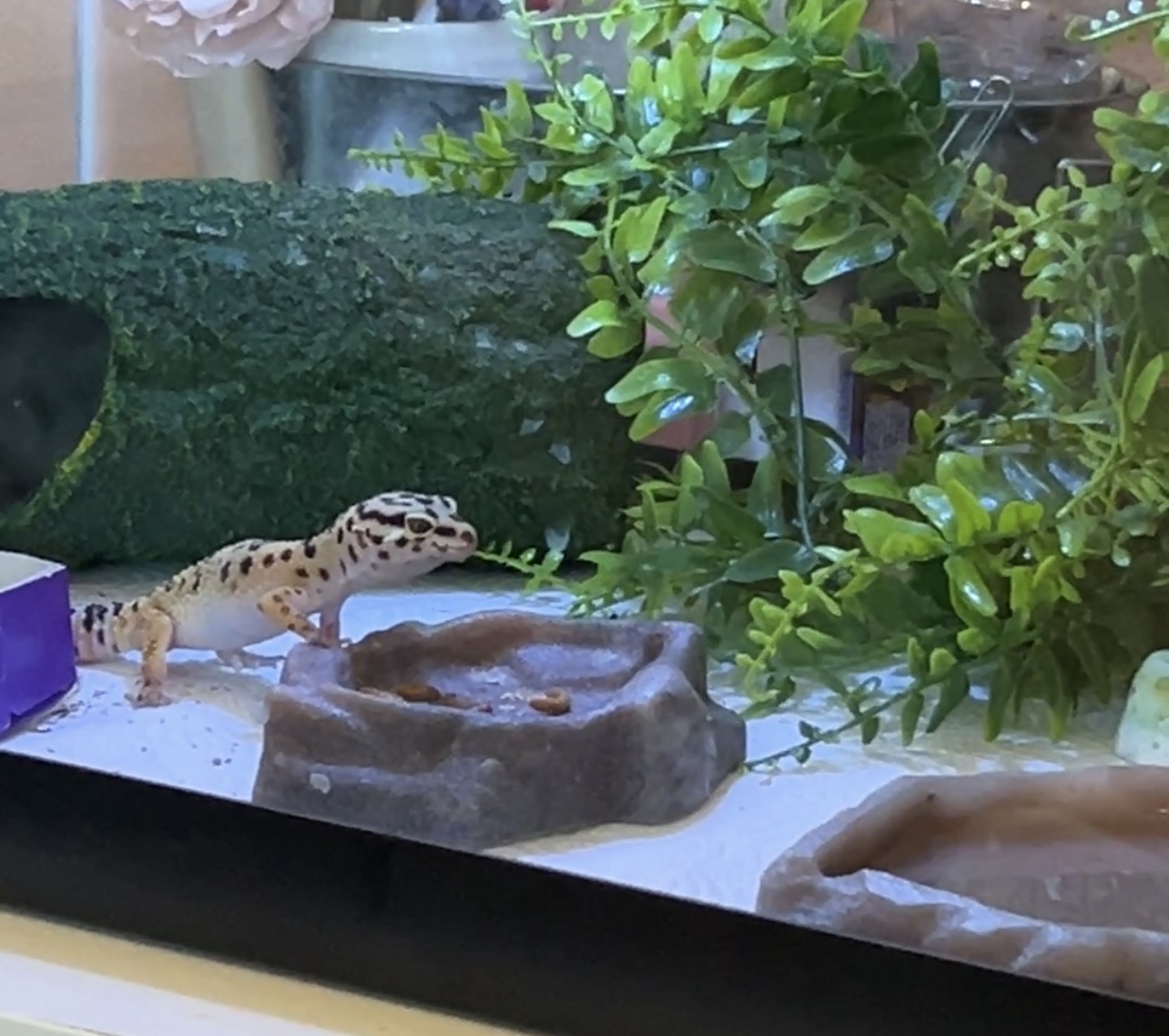
At Pets in the Classroom, we know that choosing the right classroom pet means finding one that is both easy to care for and [...]
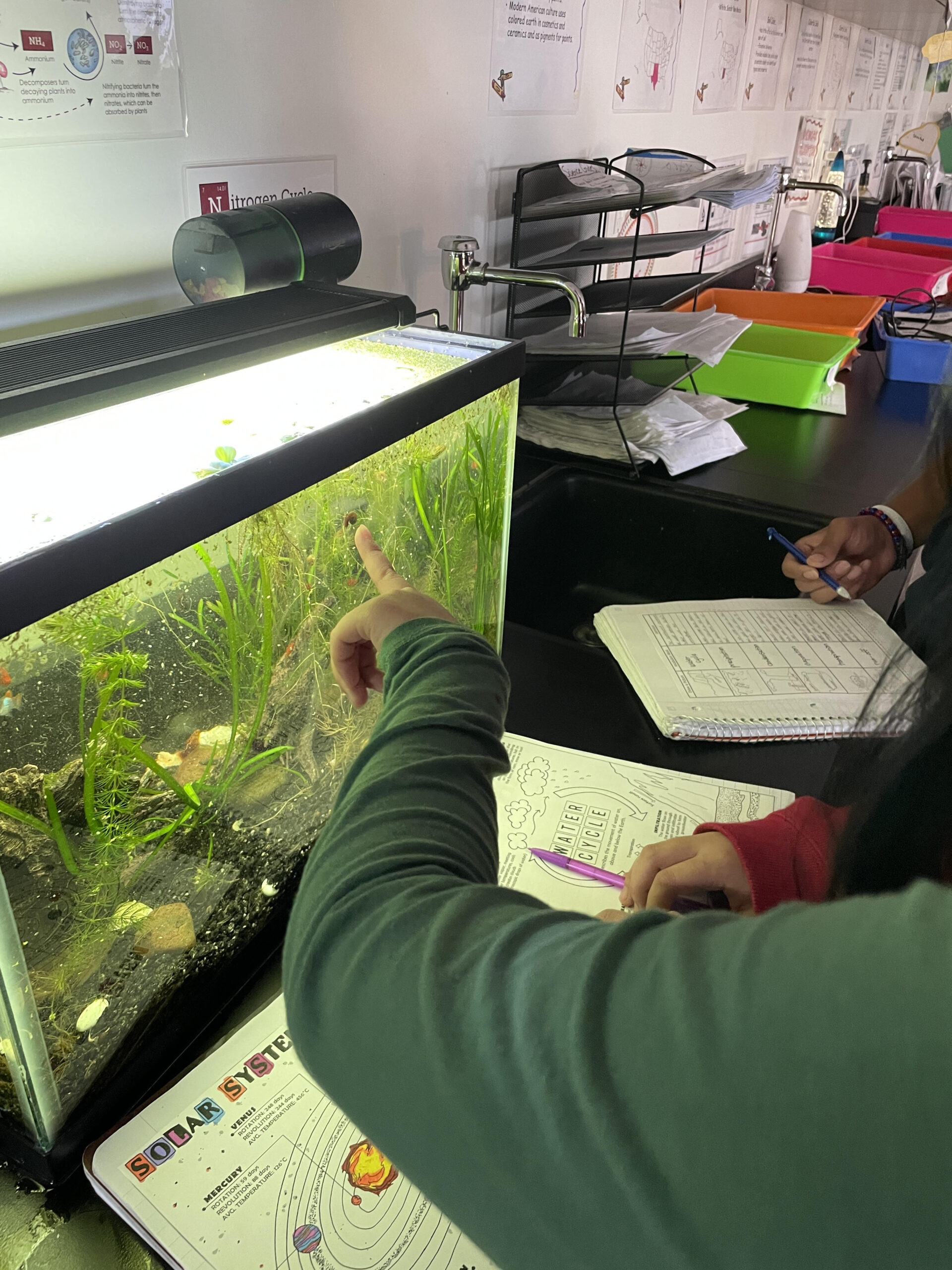
How to Enrich STEM Learning with Pets in the Classroom Pets in the Classroom is a program that provides grants to teachers in grades [...]
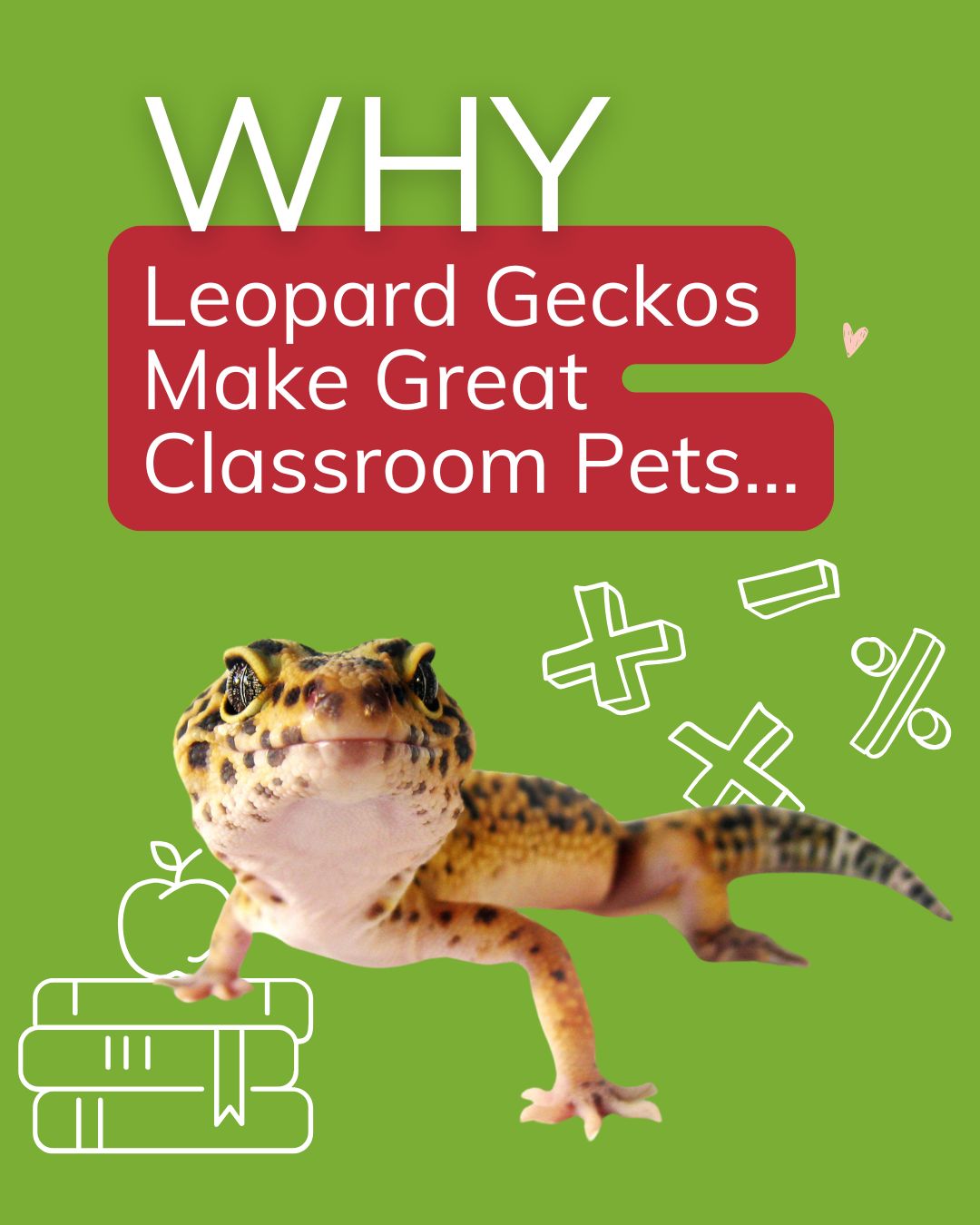
Leopard geckos (Eublepharis macularius) are more than just fascinating classroom pets—they’re an interactive gateway to STEM learning, responsibility, and empathy. With their manageable size, [...]
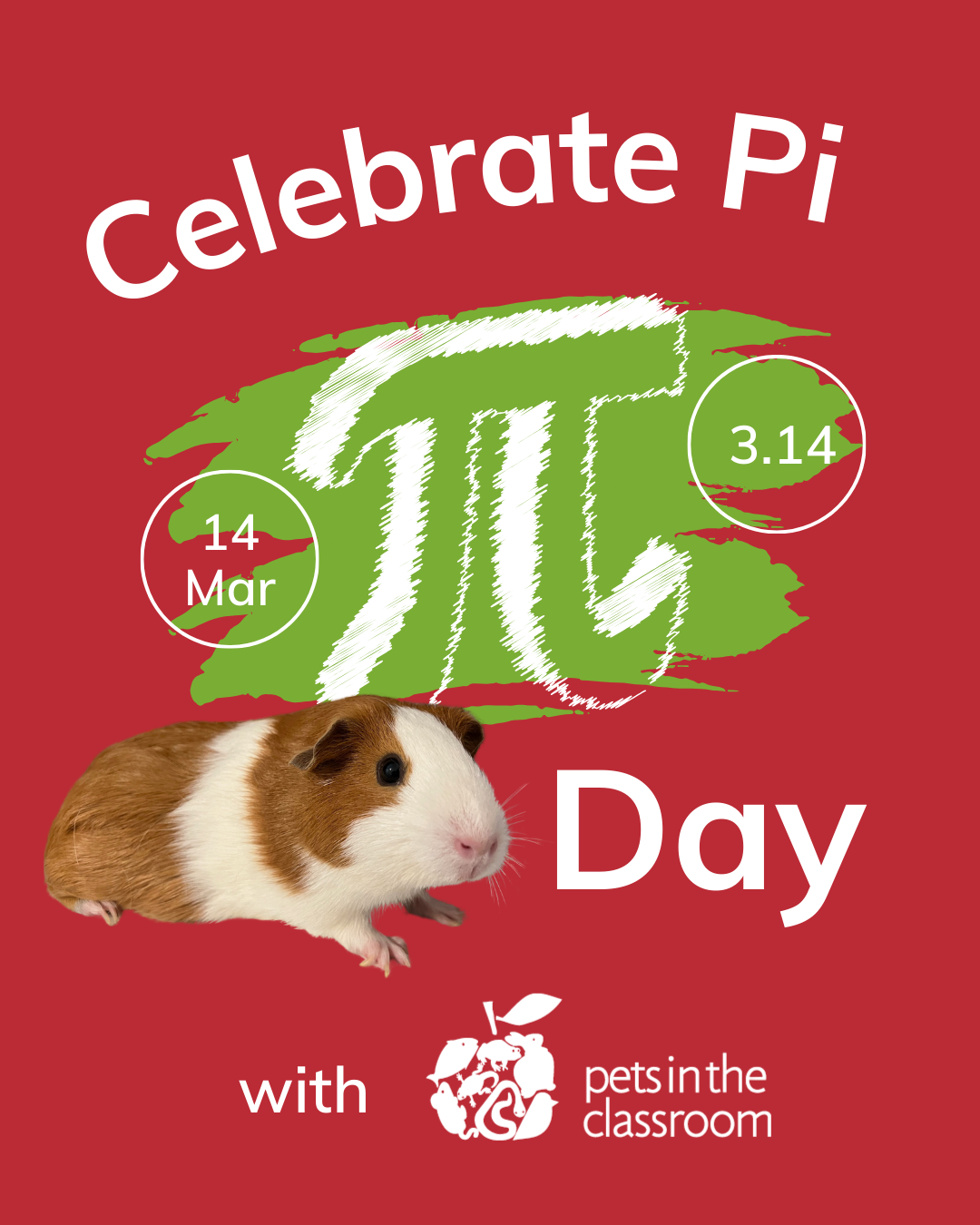
Pi Day, celebrated on March 14th (3/14), is a great opportunity to make math fun and engaging for students. While Pi (π) represents the [...]
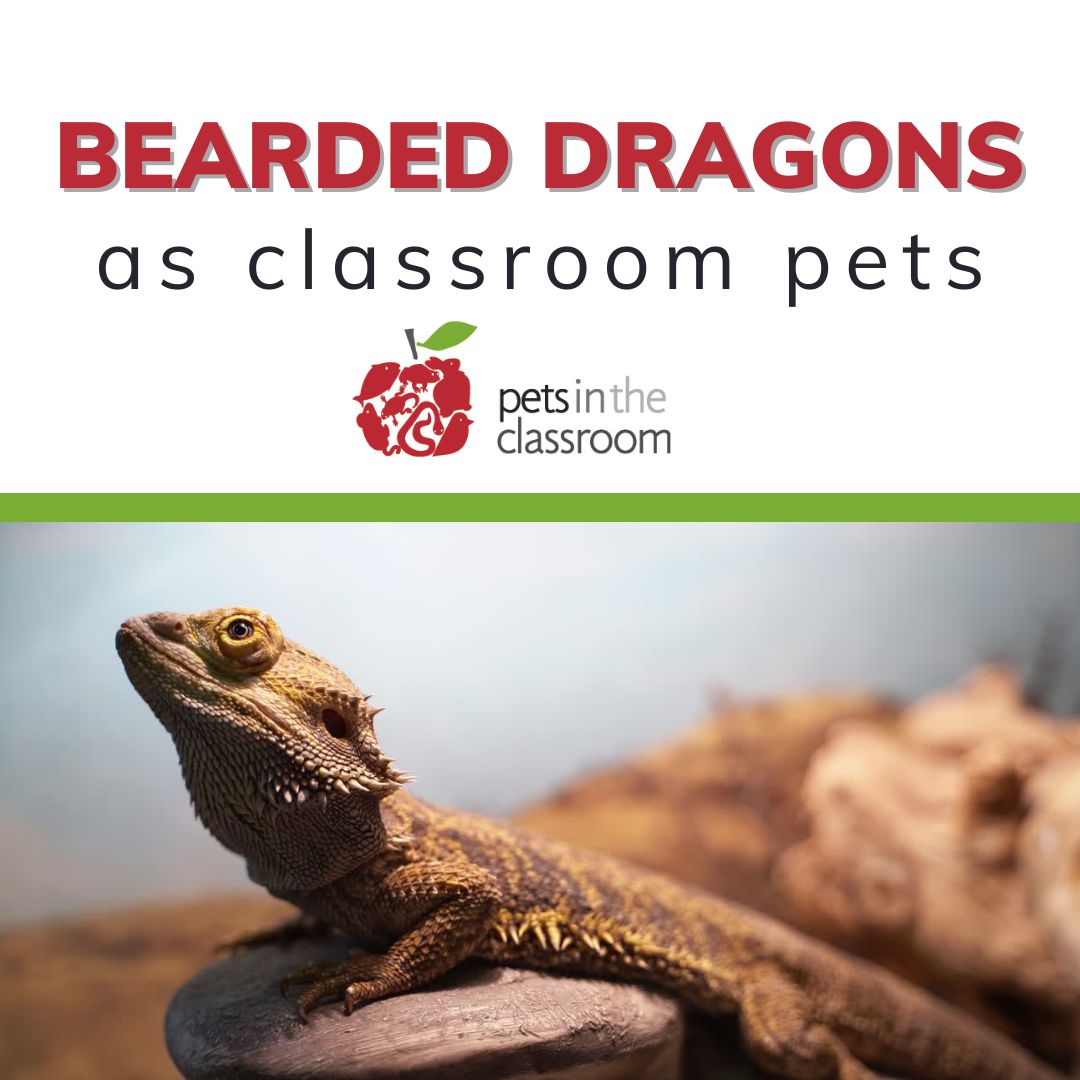
Bearded Dragons as Classroom Pets: A Gateway to Learning and Discovery Bearded dragons (Pogona vitticeps) are a popular and rewarding choice for classroom pets. [...]
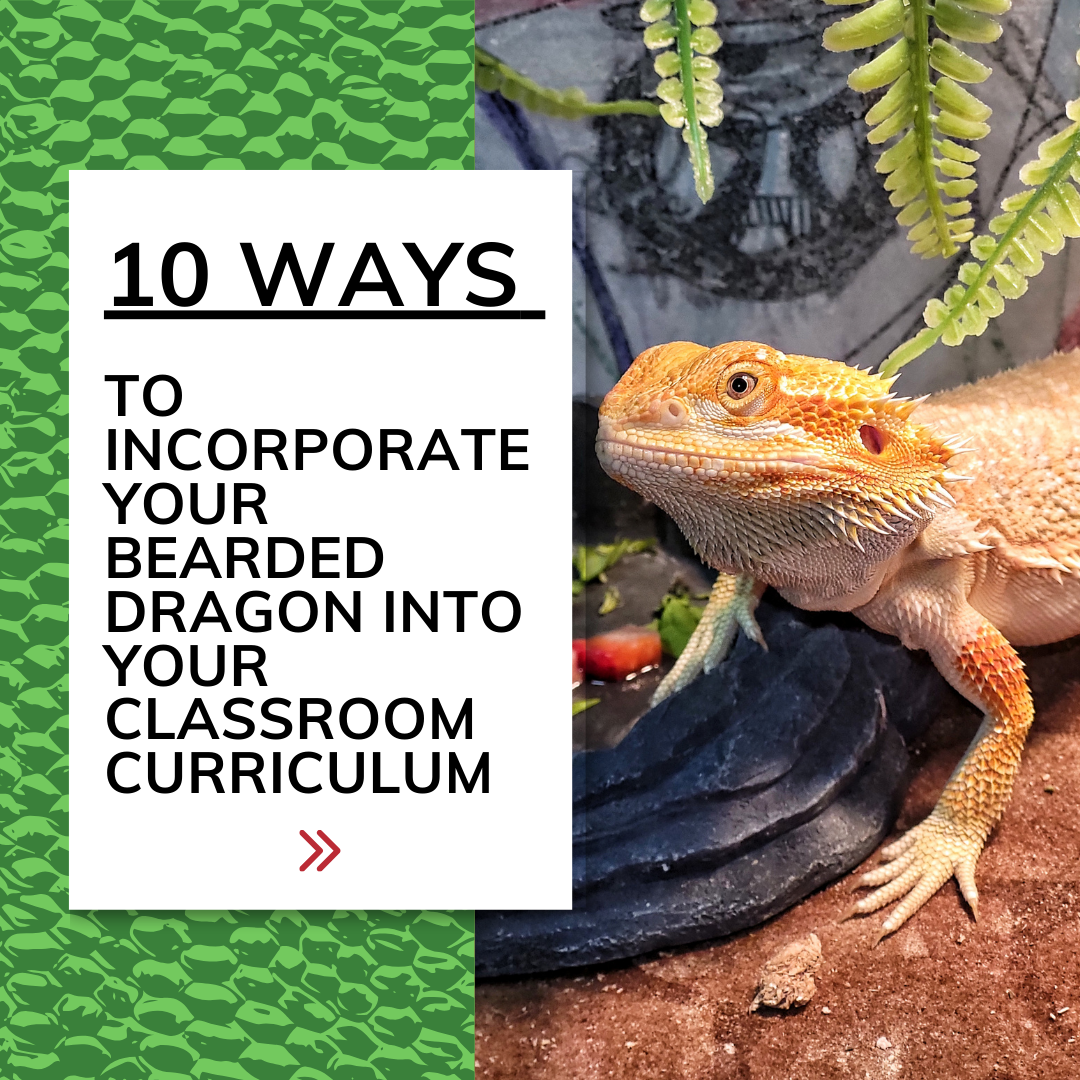
A bearded dragon is more than just a classroom pet—it’s a unique opportunity to inspire curiosity, creativity, and hands-on learning. From science lessons to [...]

Important Update: Dogs in the Classroom Application Process We are excited to continue offering the transformative experience of therapy dog visits through the Dogs in [...]

With a focus on STEM education, the Pets in the Classroom program has been recognized by the U.S. Department of Education for its innovative [...]

How to Create a Fundraiser for Pets in the Classroom on Facebook and Instagram At Pets in the Classroom, we believe in the power [...]
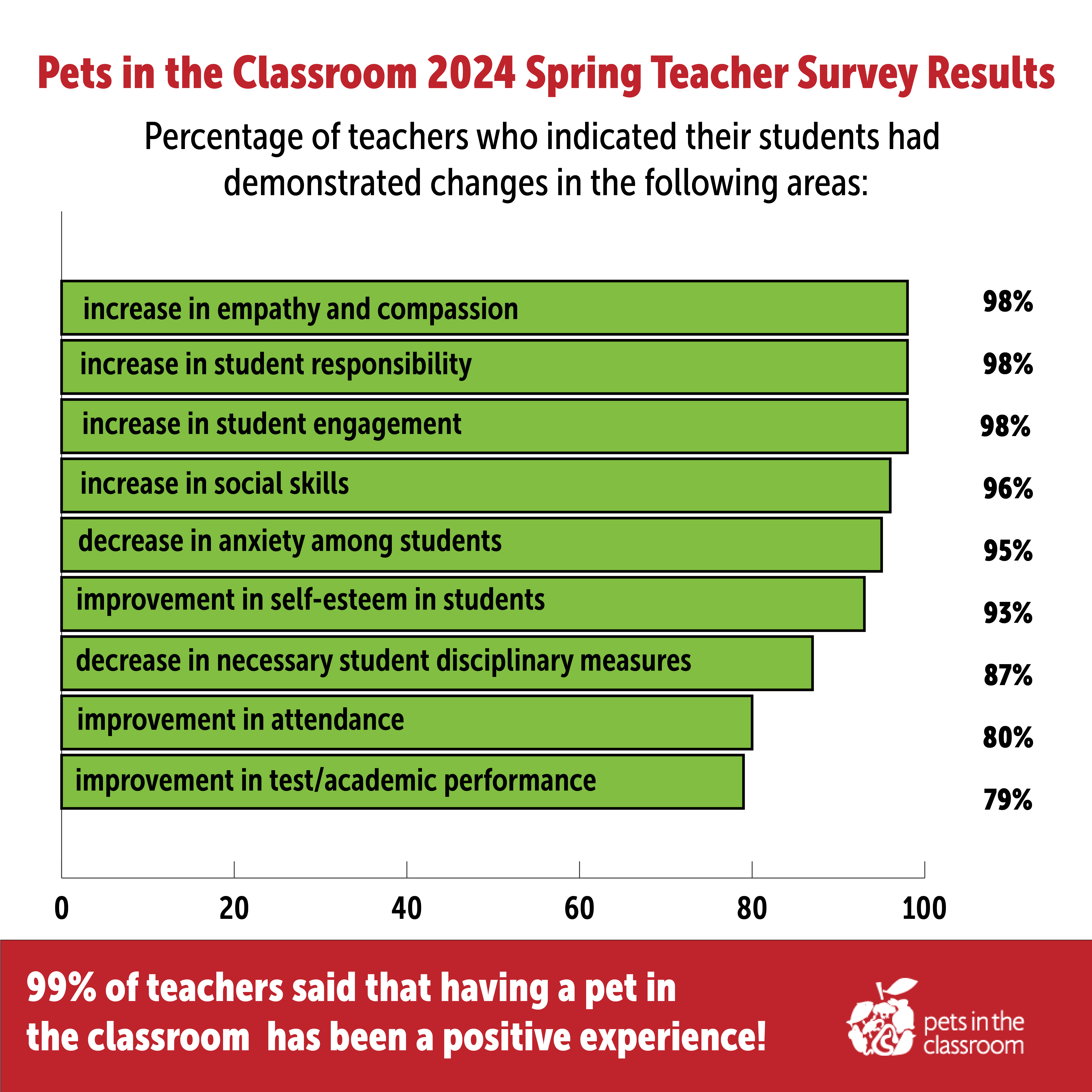
We are thrilled to share the results of the recent teacher survey from the Pets in the Classroom grant program! The survey once again [...]
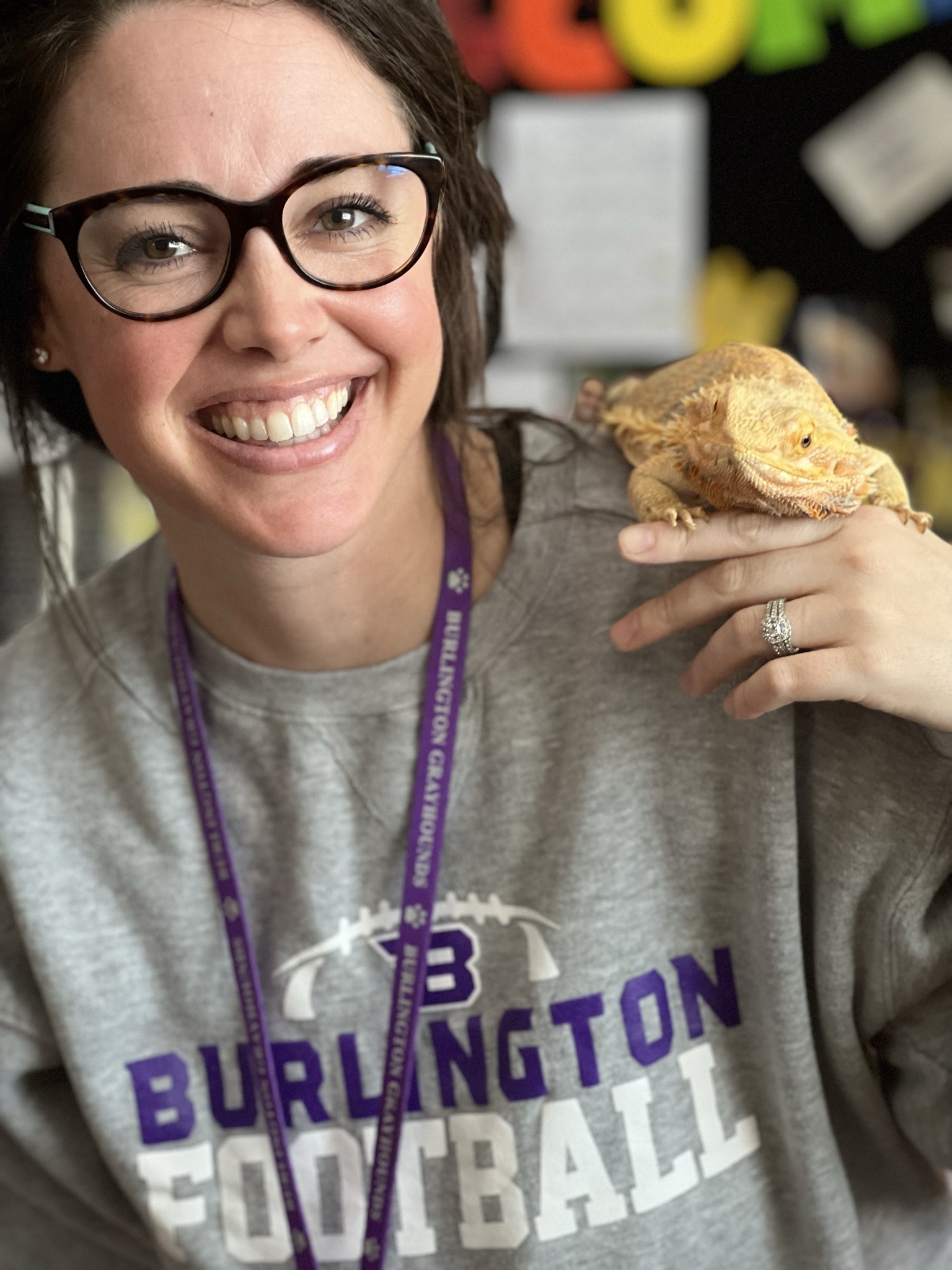
In the world of education, where each day presents its unique challenges and triumphs, unconventional approaches can sometimes provide the most profound impacts on [...]
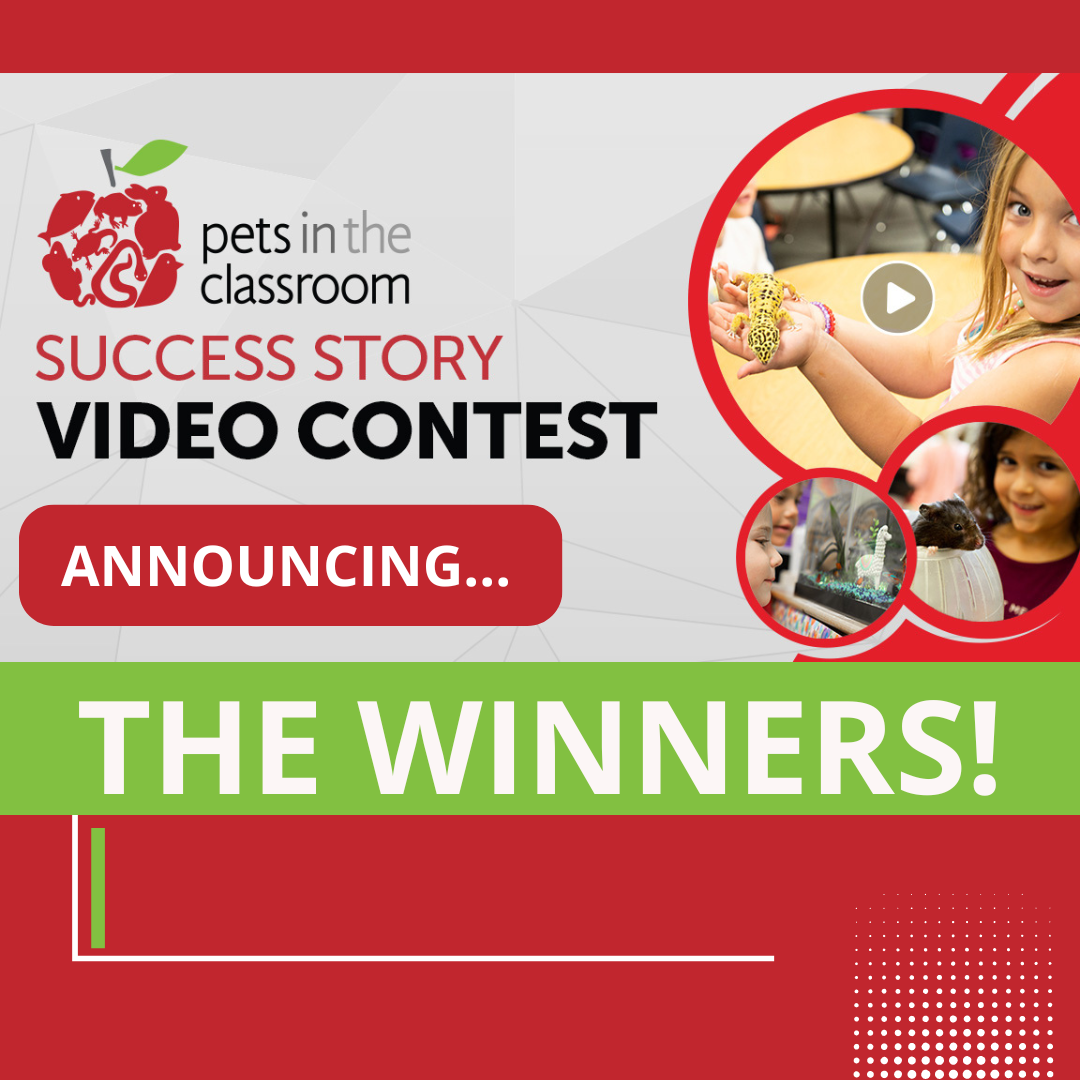
We're excited to reveal the winners of our 2024 Pets in the Classroom Success Story Video Contest! After careful consideration, our panel of judges [...]
Pets in the Classroom is excited to announce a new collection of free, standards-based lesson plans focused on STEM (Science, Technology, Engineering, and Mathematics). [...]
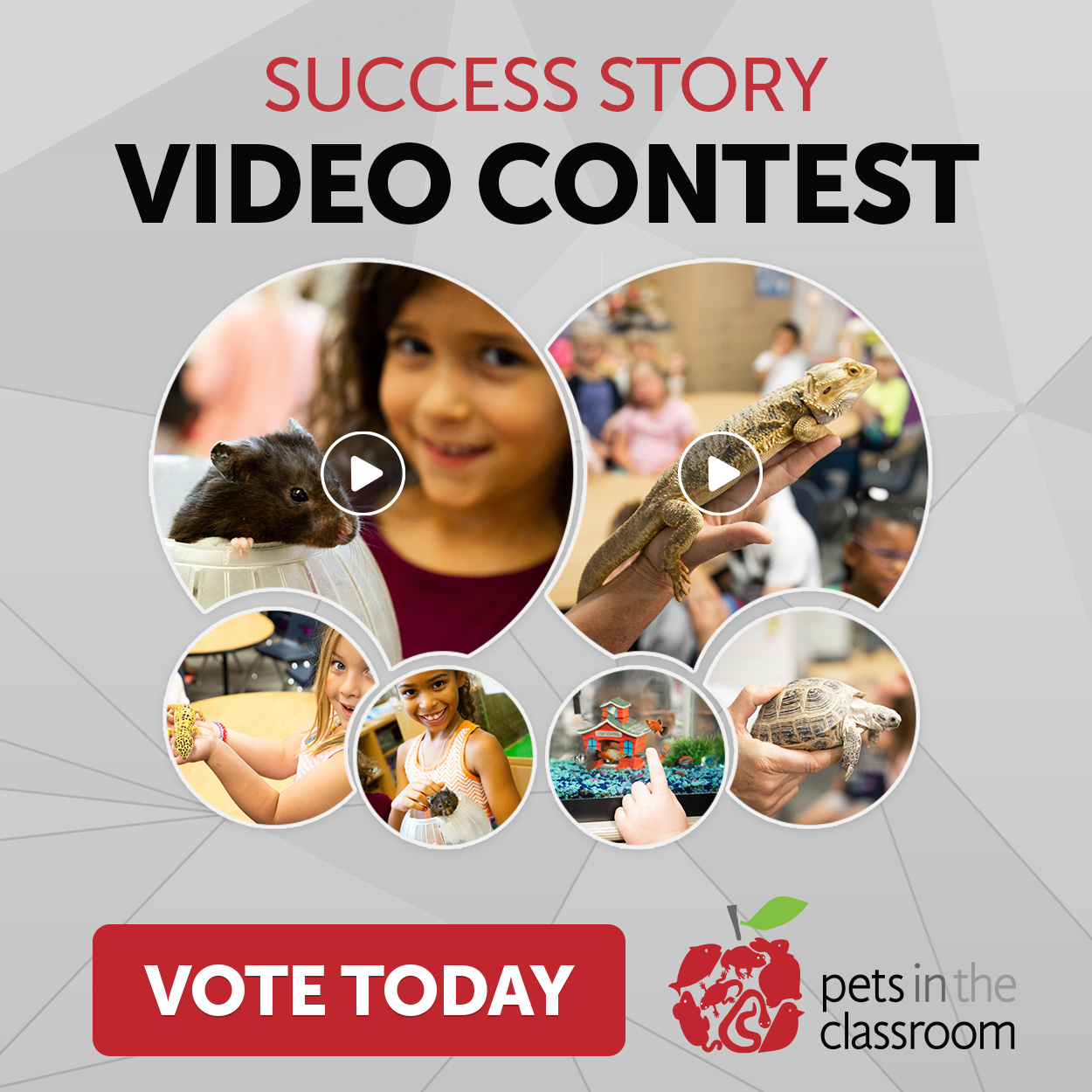
As many educators know, classroom pets often become more than just a playful presence; they are catalysts for compassion, learning, and incredible breakthroughs among [...]
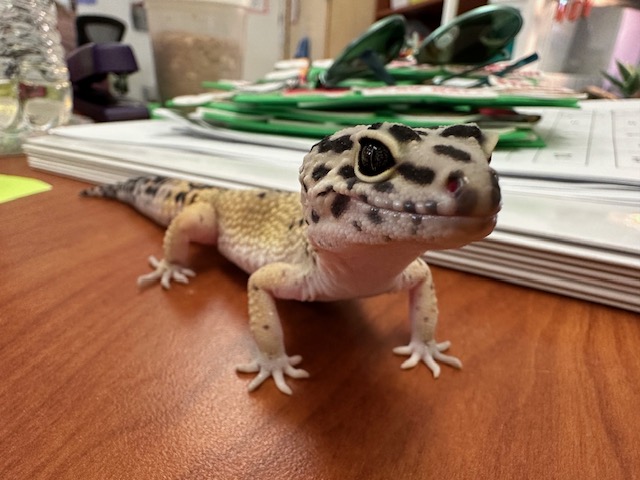
So, you are considering getting a classroom pet, but there are so many choices to choose from. Well, how about a leopard gecko? Leopard [...]
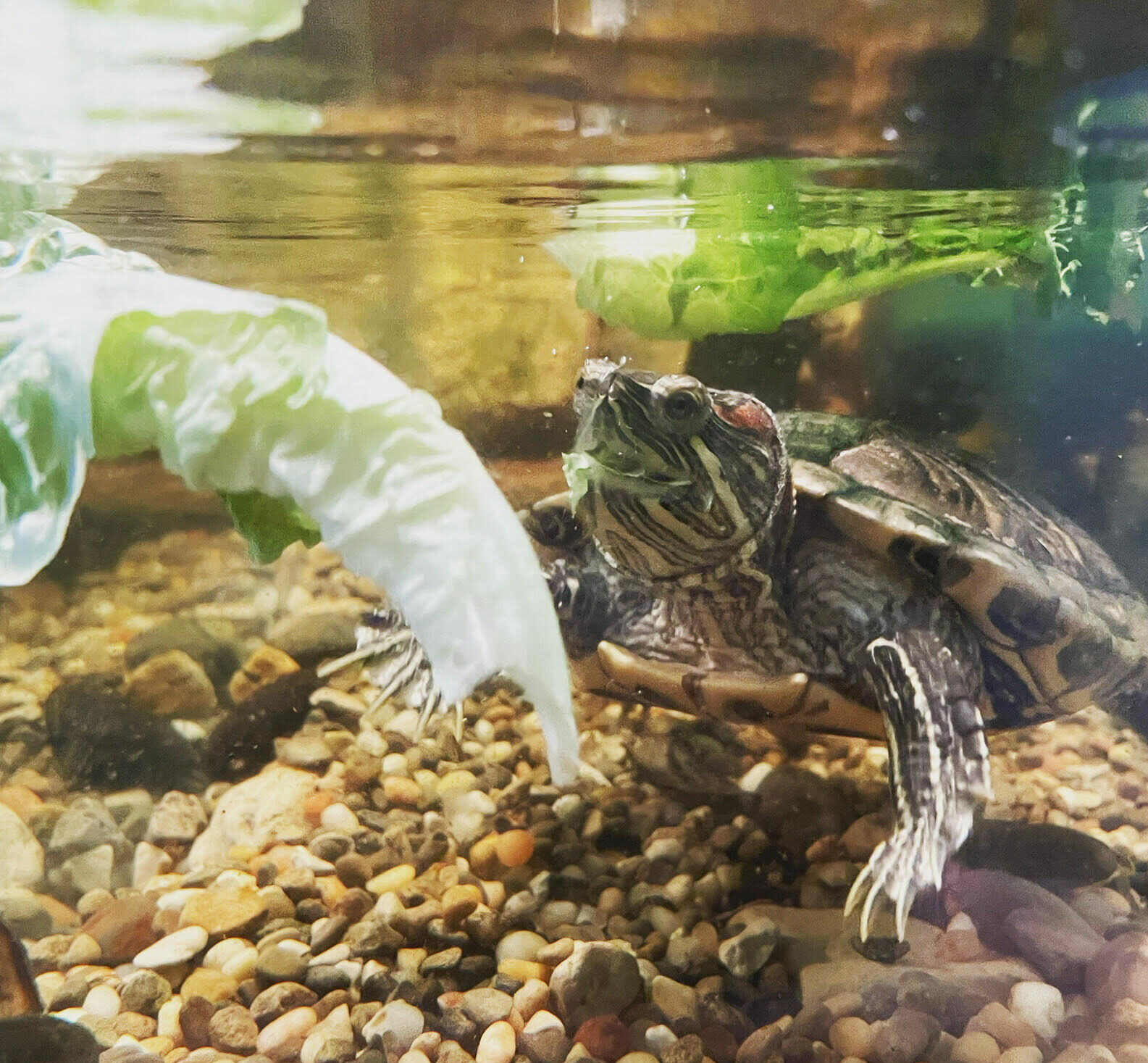
Having classroom pets in the science classroom can not only be educational, but also a catalyst for learning and connection. It's a recipe for camaraderie and a springboard for engaging STEM lessons!
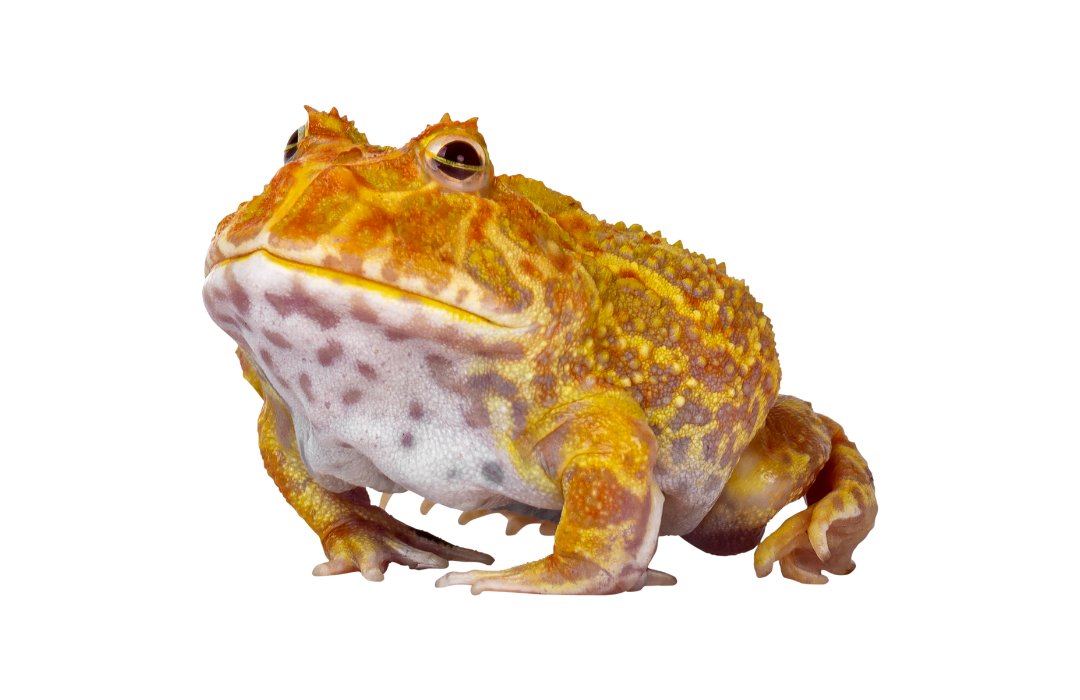
The Pacman Frog has gained a lot of popularity as a classroom pet in recent times. For the most part, they are easy to care for and fun to keep. Pacman Frogs are ideal for being observed and appreciated in their habitat and they are super when it comes to life science and being utilized in STEM lessons.
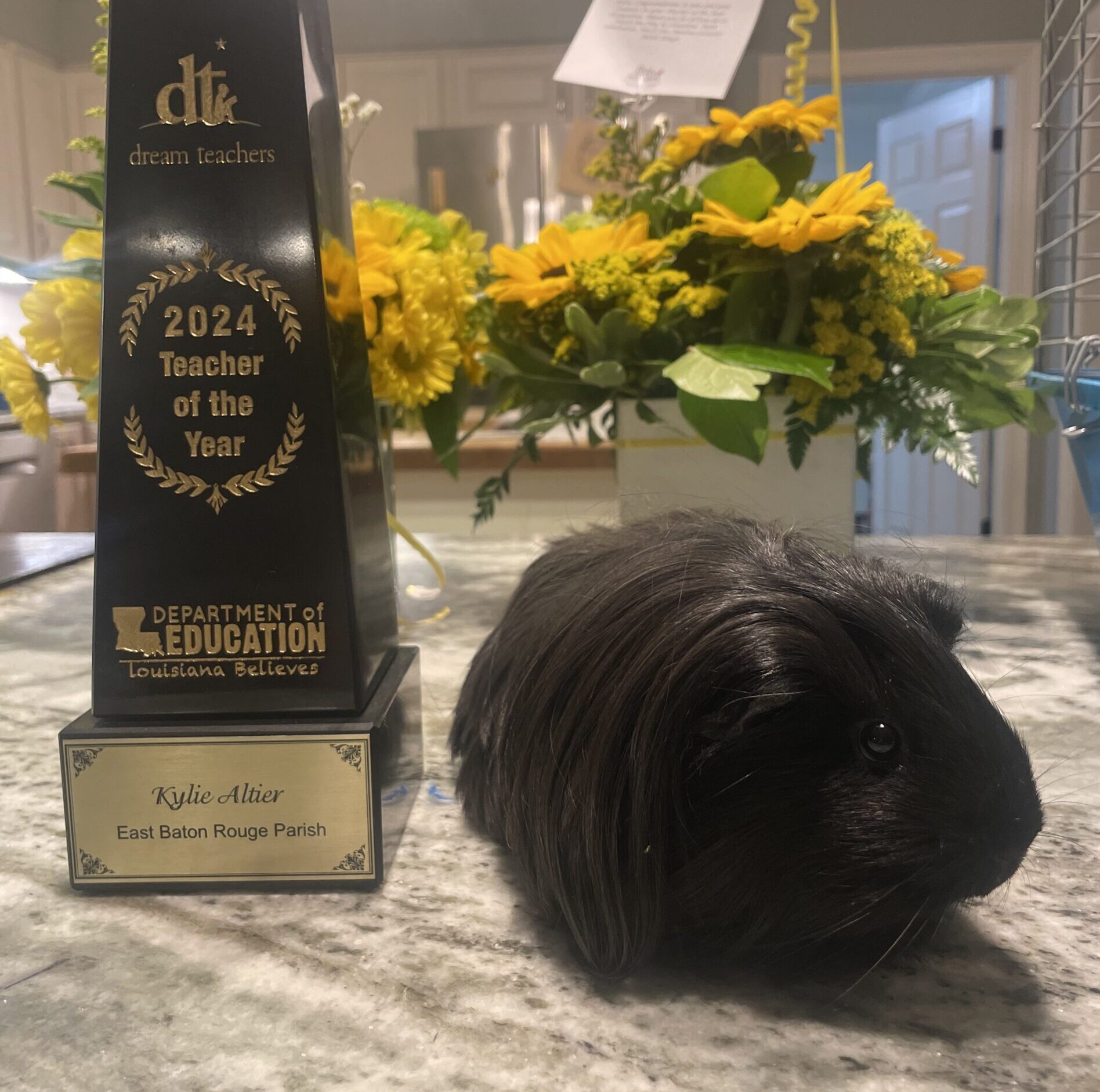
Kylie Atlier, a first-grade teacher at Buchanan Elementary in Baton Rouge, Louisiana, and the 2024 Louisiana State Teacher of the Year, credits her achievement in part to a very special classroom member – a guinea pig named Marshmallow!
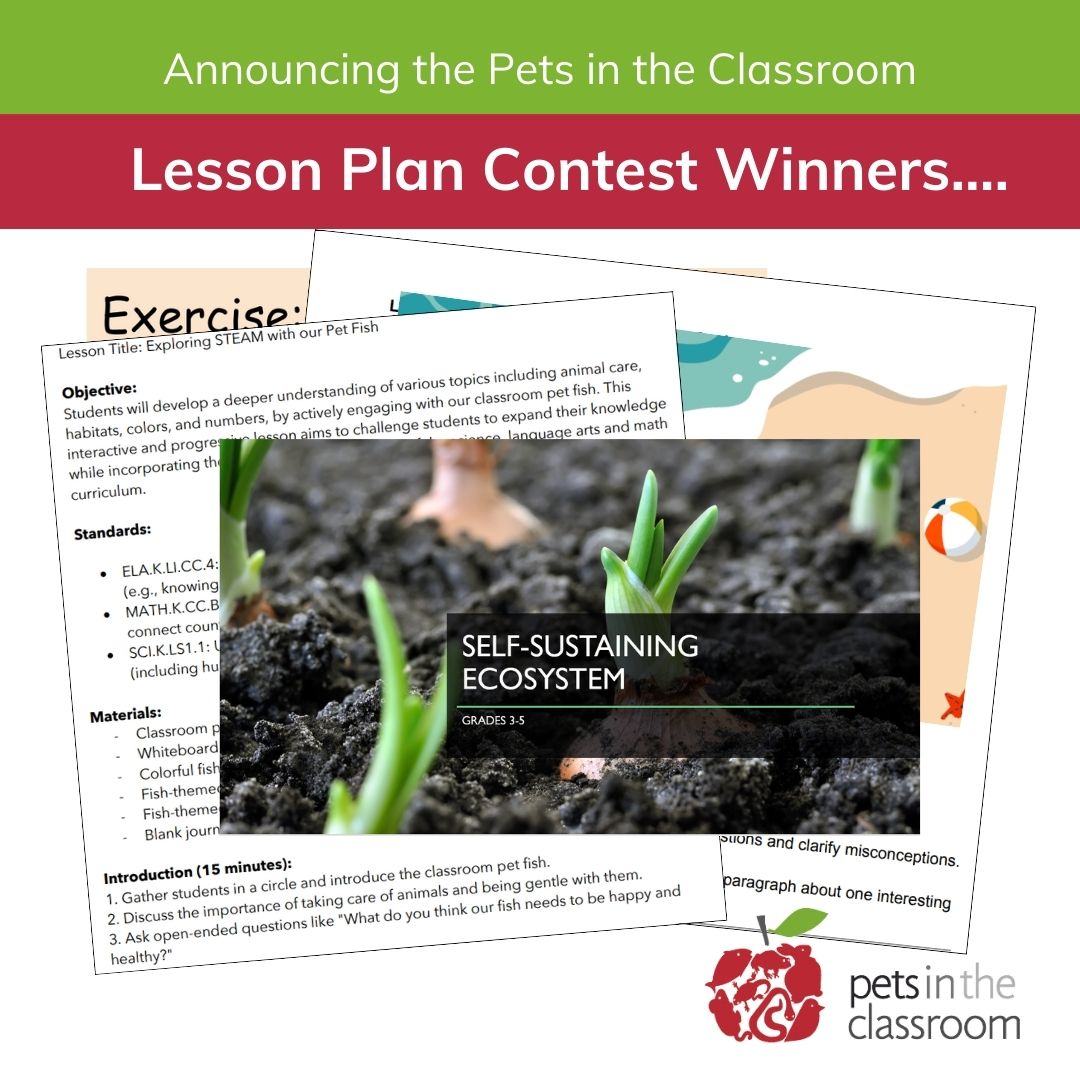
It's time to announce the winners of the Pets in the Classroom 7th annual Lesson Plan Contest! The Contest invited pre-kindergarten through 9th grade [...]
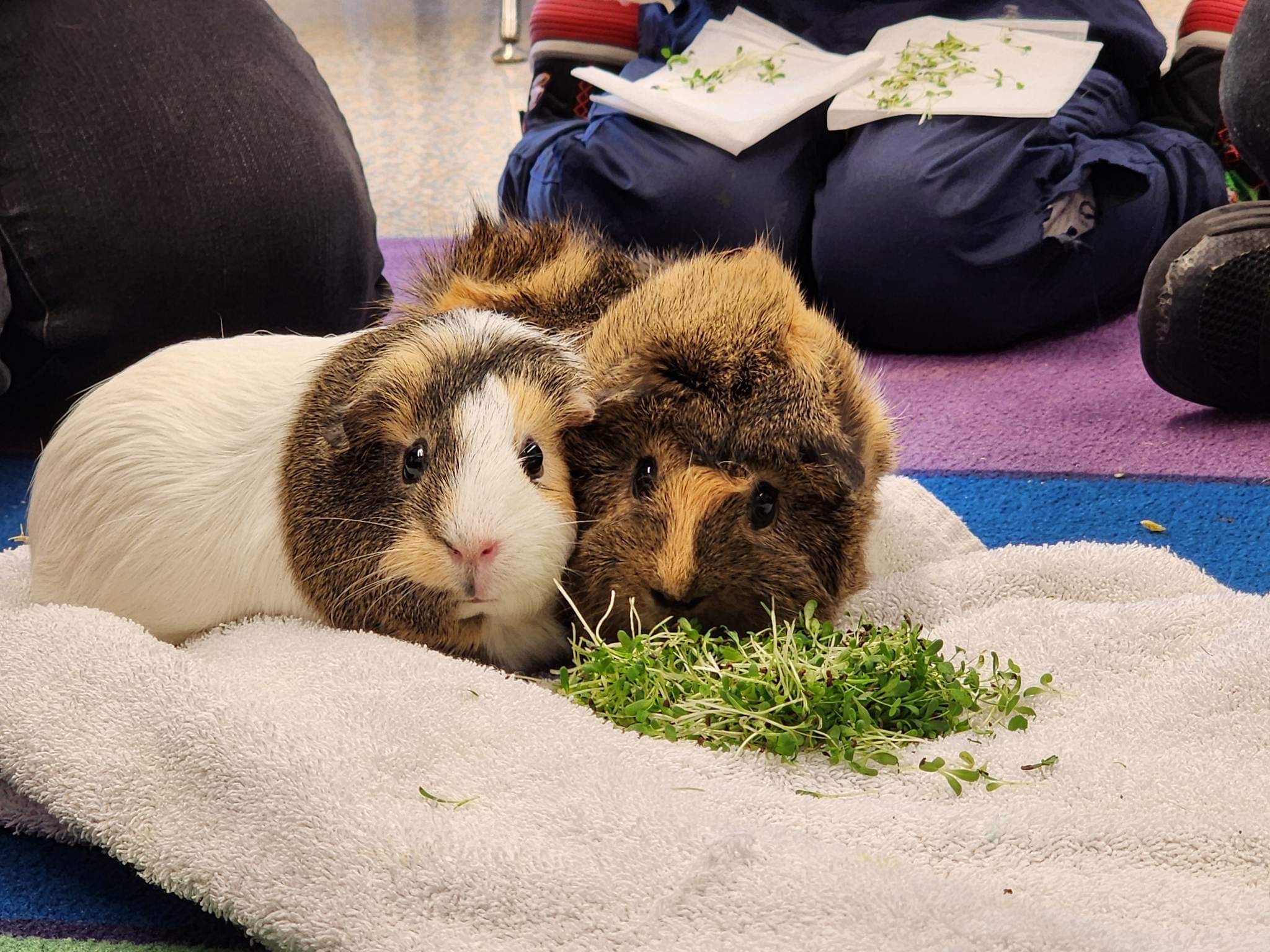
There are a variety of options when it comes to choosing a classroom pet, and guinea pigs are a popular choice of teachers who participate [...]
Finding the Perfect Companions to Enhance Learning When it comes to choosing a classroom pet, finding the right fit is a important. Each pet [...]
Having a pet in the classroom can be an incredibly rewarding experience for both students and teachers. It offers numerous educational benefits, promotes empathy [...]
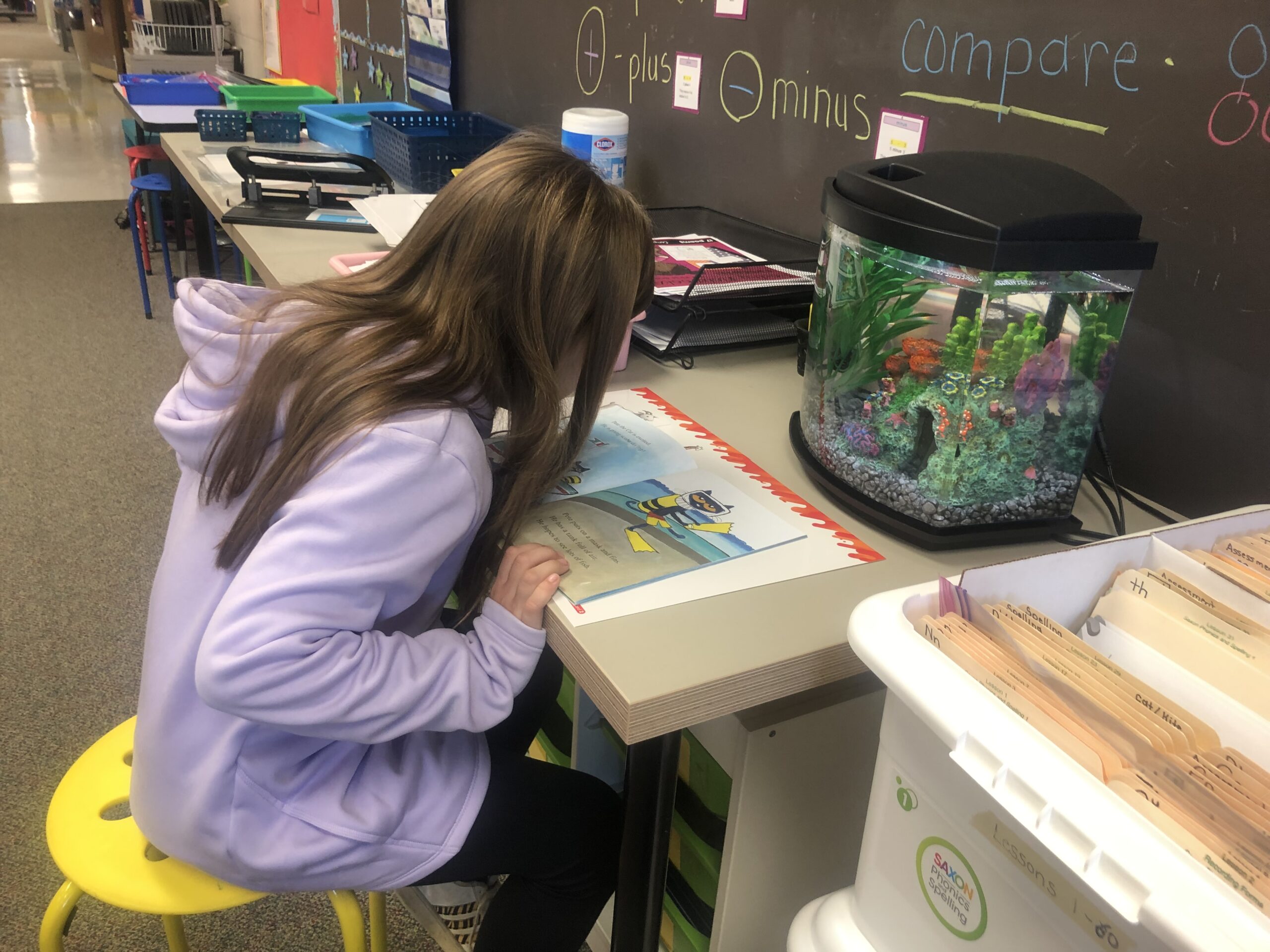
Supporting Teachers, Inspiring Students: Understanding the Pets in the Classroom Grant Program Teachers play a crucial role in shaping the minds and futures of [...]
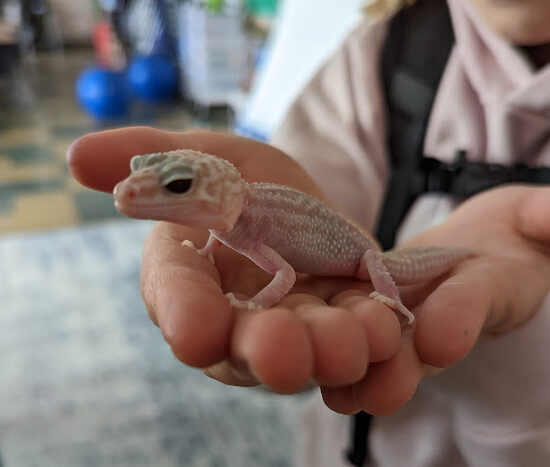
Back-to-School Summer Campaign: Donate Today to Support the Pets in the Classroom Grant Program! Pets in the Classroom Grant Program is on a mission [...]
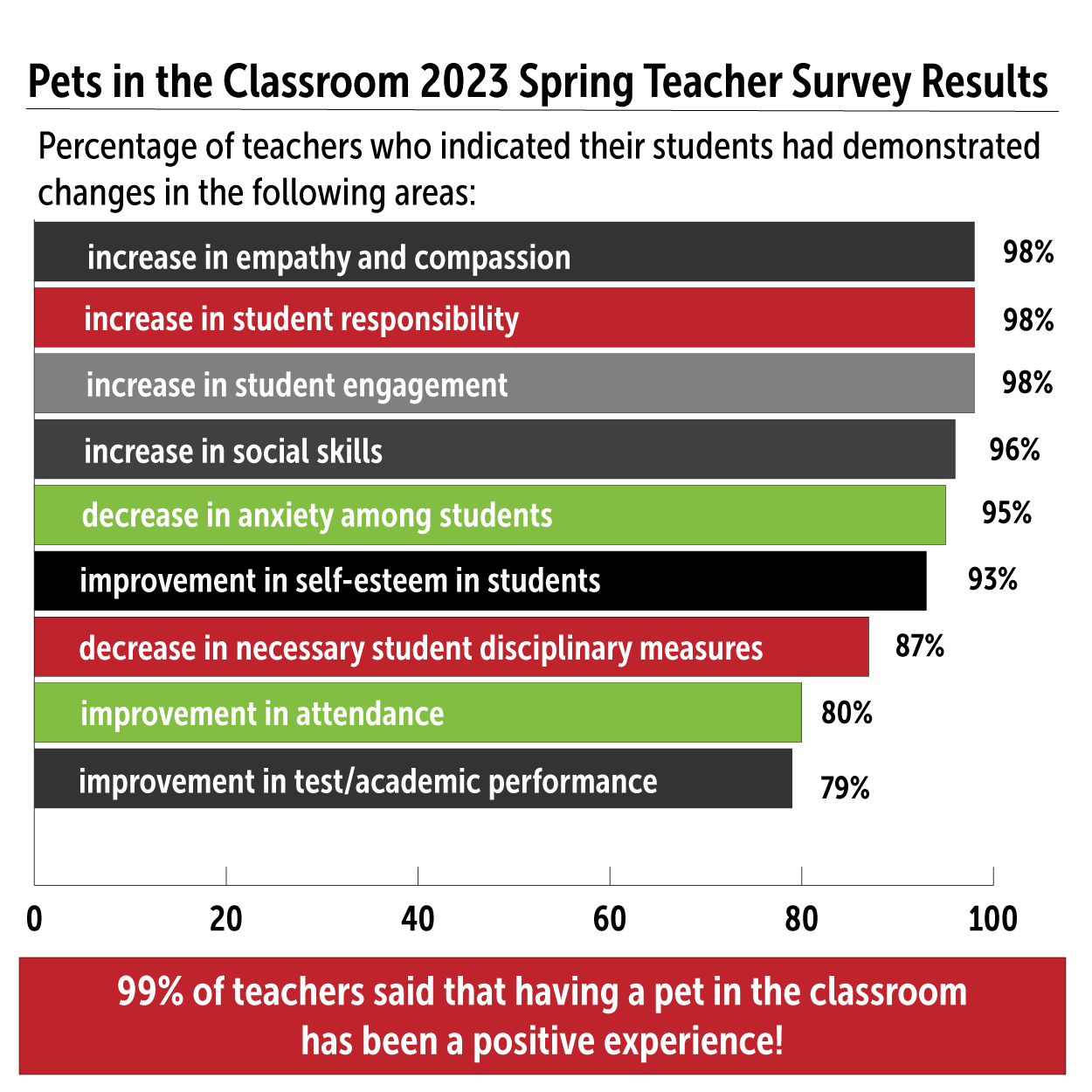
The Pets in the Classroom grant program is excited to share the results of the 2022-23 Teacher Survey with you! Please read our press release on the survey to see the impact the program is making!

Can you believe it's already May? The end of the school year is quickly approaching! We know this time can be a little chaotic, [...]
Pet Care Trust Announces New Executive Director and Management Company The Pet Care Trust, along with its Pets in the Classroom grant program, is [...]

What is Pets in the Classroom? Pets in the Classroom is a grant program that provides funding toward a small animal and pet supplies [...]
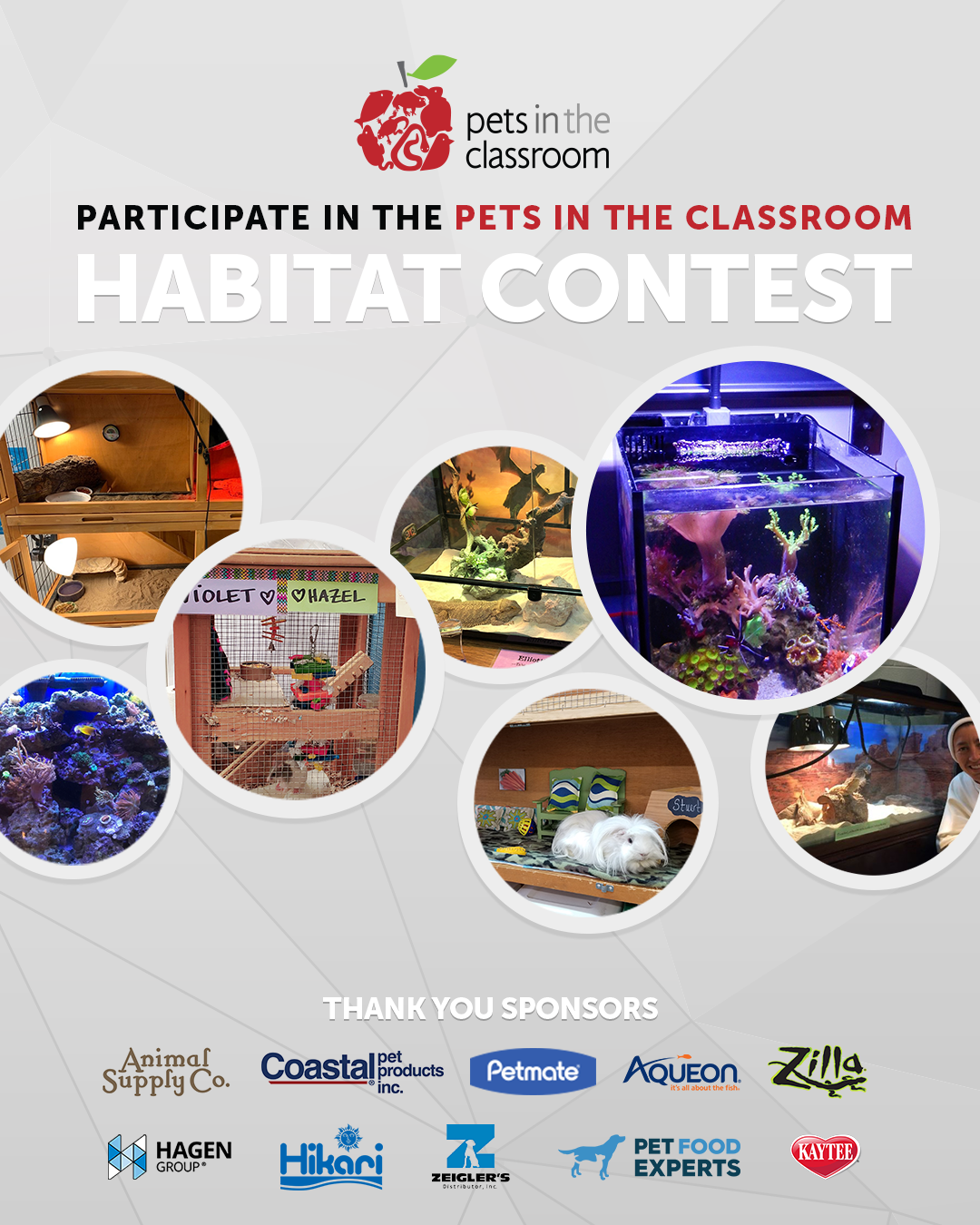
The Pets in the Classroom grant program invites pre-kindergarten through 9th grade teachers with classroom pets to enter the Pets in the Classroom [...]
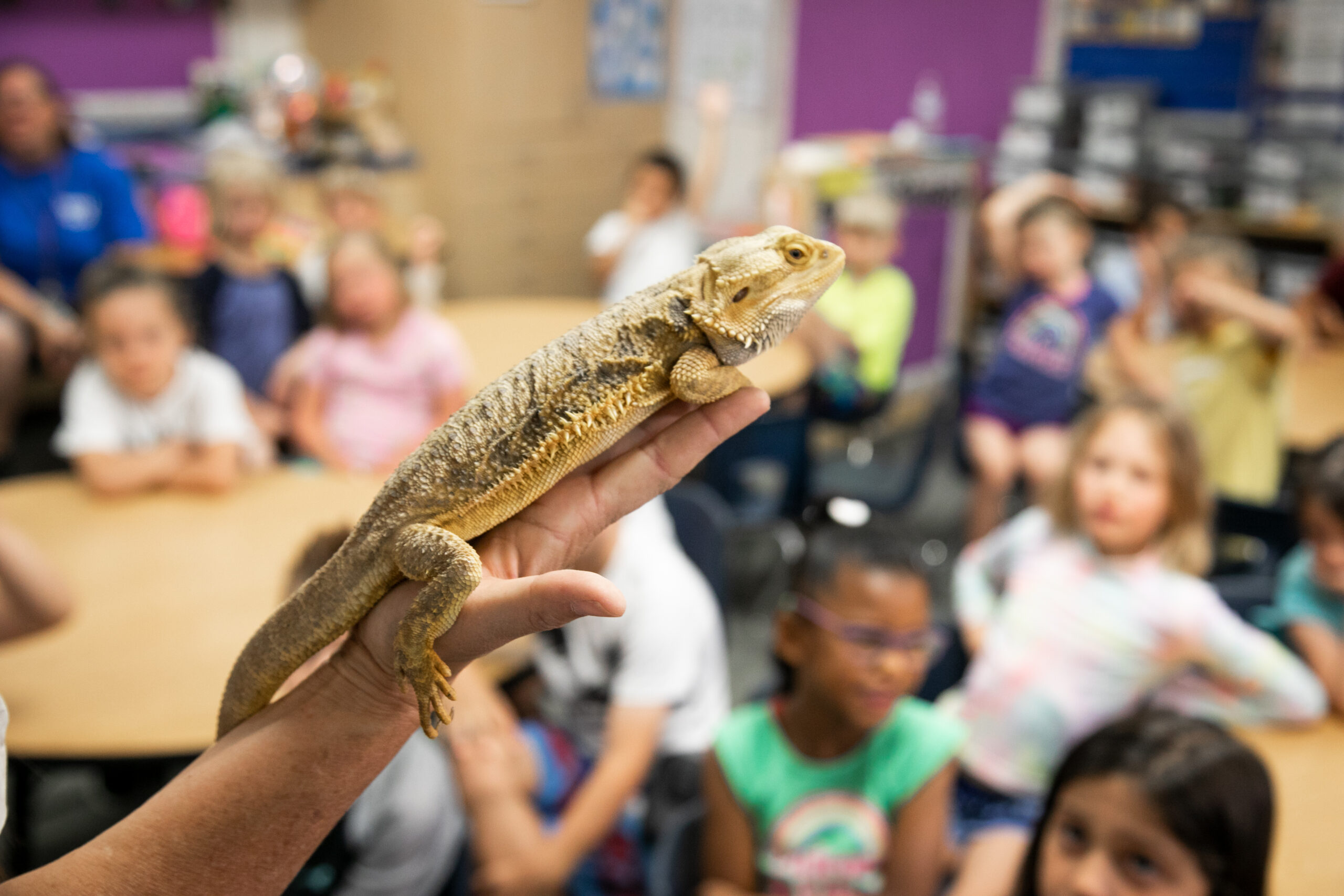
Over 15,500 teachers have received a grant toward a classroom pet since the Pets in the Classroom program opened for the 2022-23 school year [...]
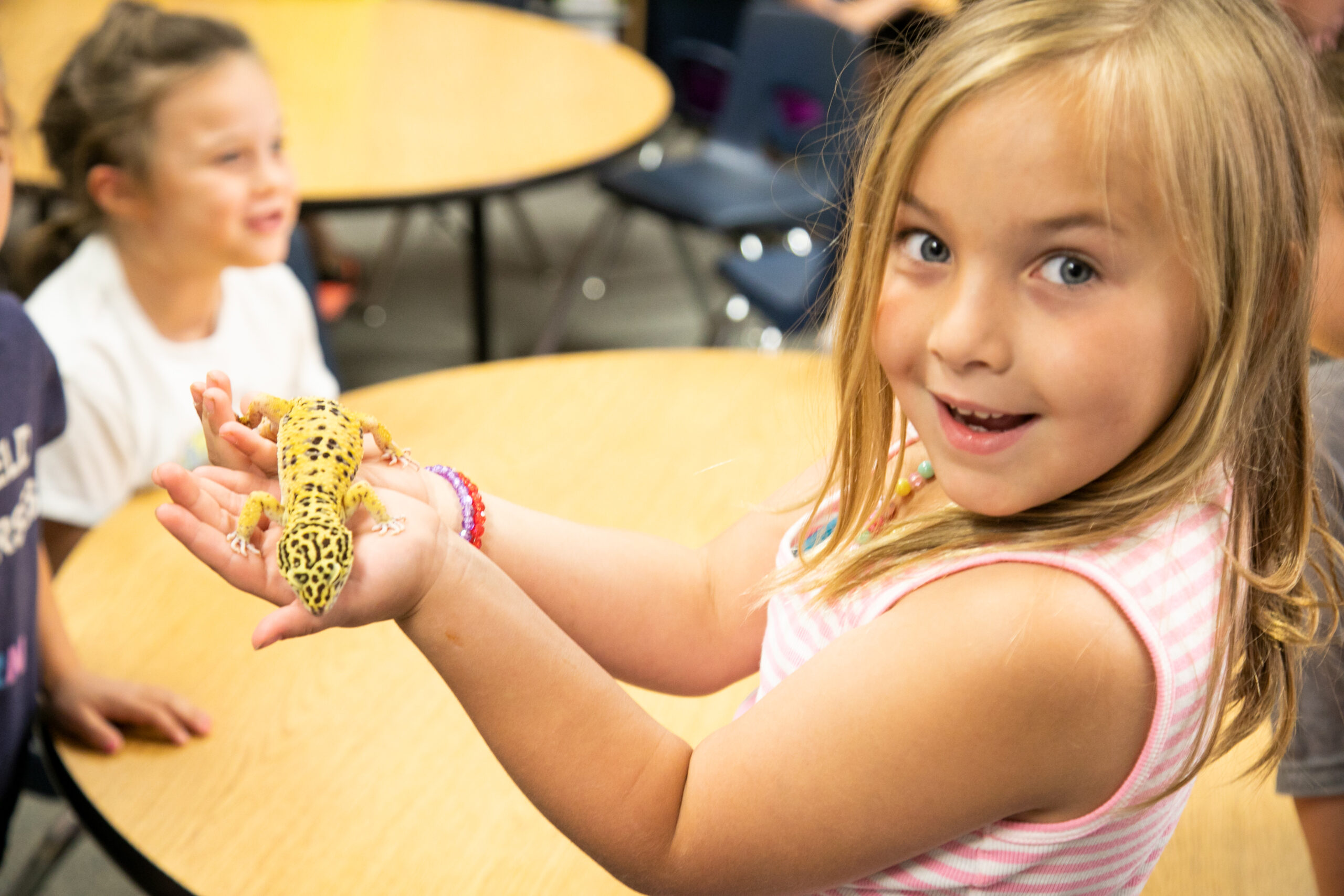
Pre-kindergarten through 9th grade teachers who are interested in owning or who already own a classroom pet can apply to receive funding through the Pets in [...]
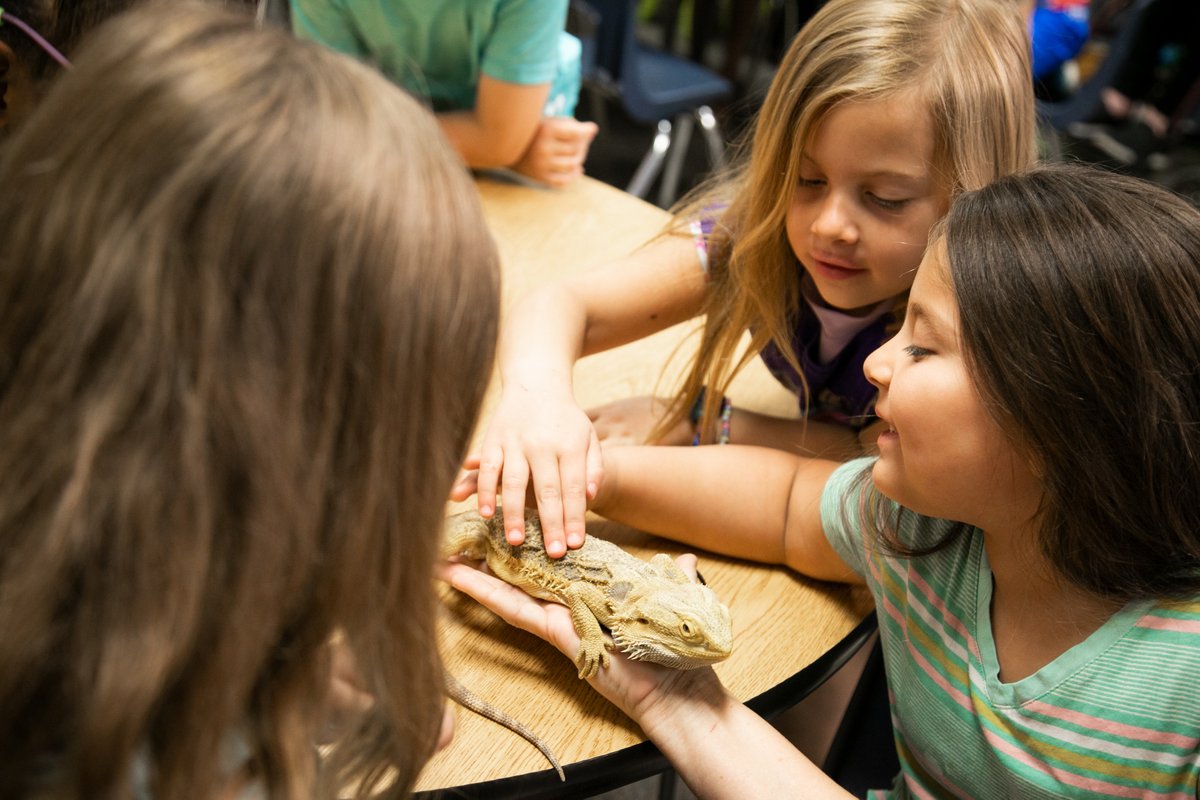
The results are in from our annual teacher survey! The Pets in the Classroom grant program surveyed teachers who received funding toward [...]
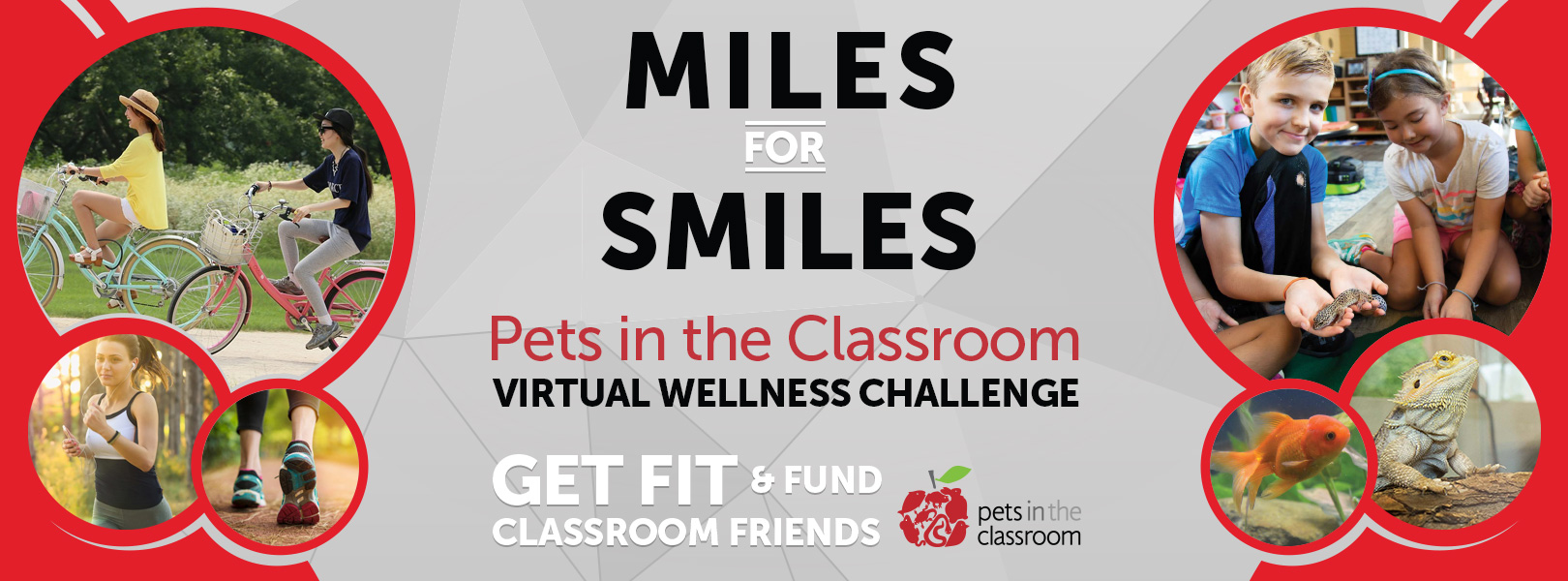
Pets in the Classroom is proud to announce the Miles for Smiles Virtual Wellness Challenge! Challenge your family, friends, colleagues, or students to participate, and [...]
The grant cycle for 2021-22 complete and the numbers are in. Pets in the Classroom has issued 19,100 grants to teachers to purchase and [...]
We at Pets in the Classroom strive to be a resource to teachers when it comes to classroom pets. In addition to our grant, [...]
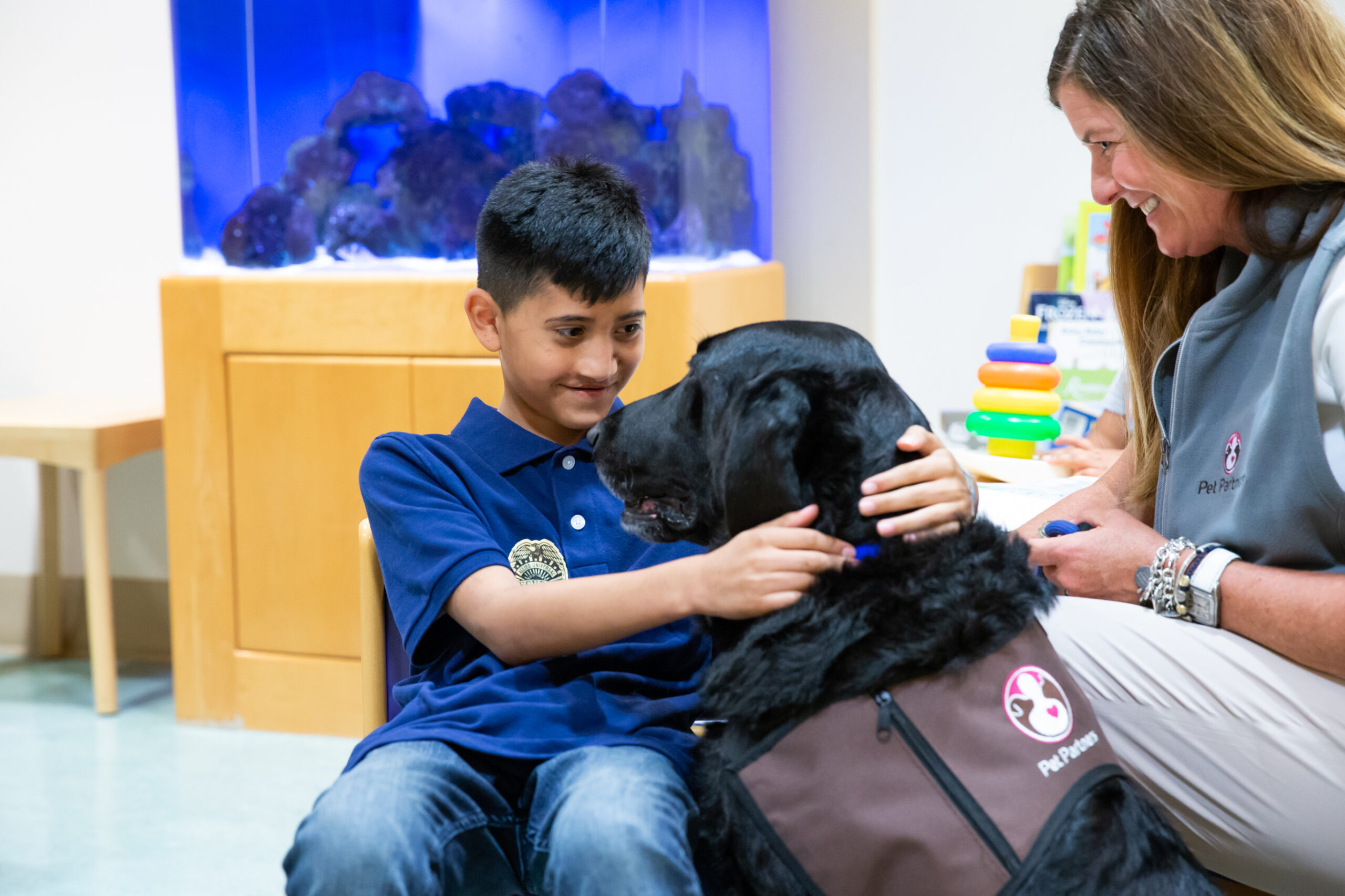
Exciting things are happening at The Pet Care Trust! Read the press release below to learn more about the exciting pilot program that has launched! [...]
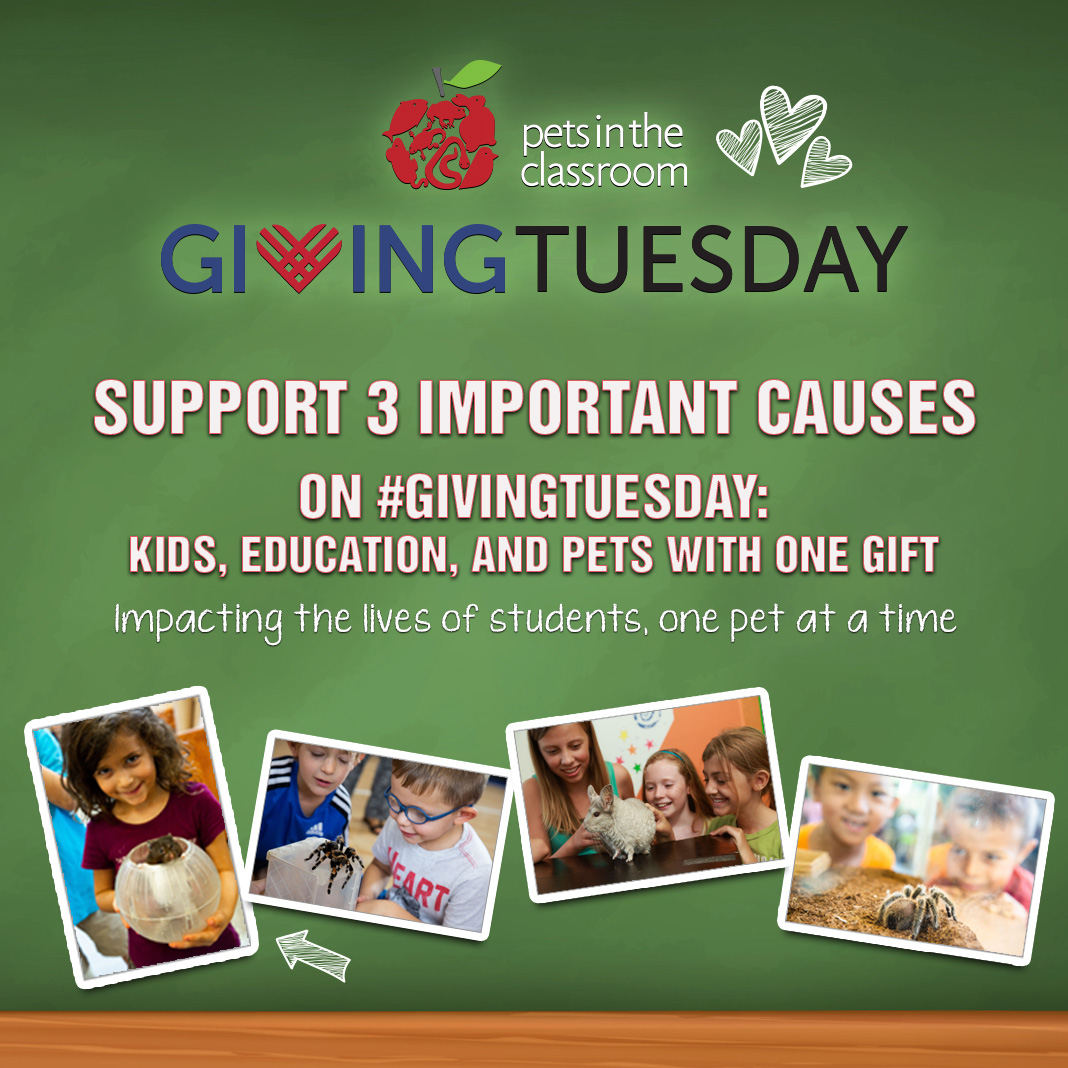
As people around the world come together on November 30 for #GivingTuesday, a day of generosity, we ask that you consider supporting The Pets in [...]
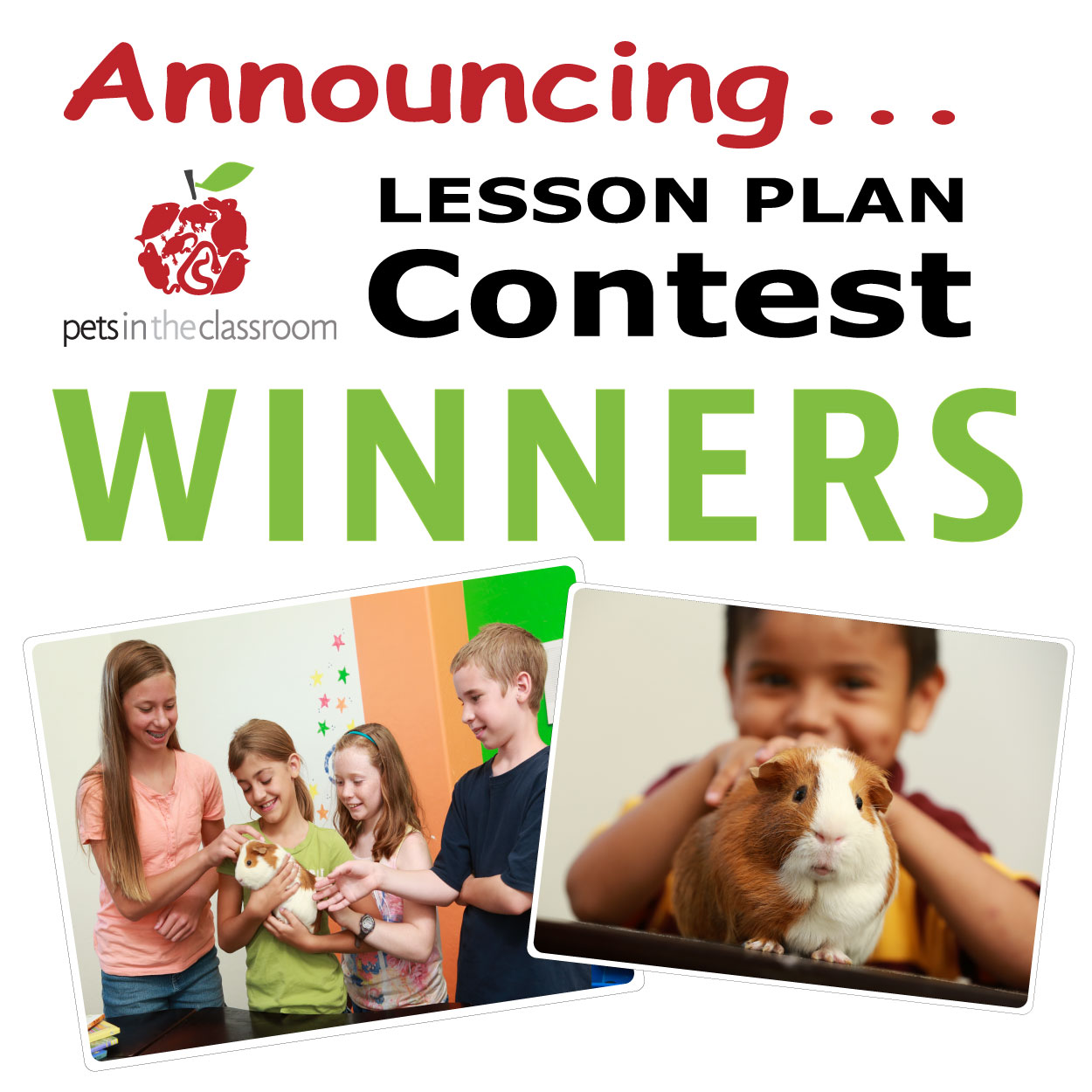
The Pets in the Classroom grant program is pleased to announce the winners of its 6th annual Lesson Plan Contest! The Contest invited pre-kindergarten through [...]
If you are new to the Pets in the Classroom grant program, WELCOME! If you are already familiar with the program, WELCOME BACK! Our [...]
The Teacher Survey results are in! We are excited to share with you all of the ways classroom pets are making a difference in the [...]
As teachers and parents reflect on the changes that have taken place in education over the past year, the role of pets has become more [...]
Naming a new pet can be a challenge. We at Pets in the Classroom are here to help! We asked teachers for the names of [...]
Our mission at Pets in the Classroom is to enhance students’ educational and personal development through interaction with pets in their classrooms. This happens in [...]
It’s Contest time again! Submit your classroom pet success story for your chance to win $500! The Pets in the Classroom grant program is kicking [...]
Through the Pets in the Classroom grant program, students are experiencing the joys and benefits of interacting with classroom pets, both in the classroom and [...]
The Pets in the Classroom grant program, like any other organization, would not exist without the generosity of others. That’s why, on December 1, we [...]
If you are just learning about the Pets in the Classroom grant program, or even if you are already familiar with us, we want to [...]
As we face an uncertain 2020-21 school year, we at Pets in the Classroom have been thinking of ways we can support you teachers. We’ve [...]
As we discussed in a previous blog, we at Pets in the Classroom want to help teachers as they begin a new year, and possibly [...]
As this unusual school year begins, we at Pets in the Classroom want to help teachers as they start a new year, and possibly [...]
As we are all doing our very best to get through the COVID-19 pandemic, we at Pets in the Classroom are preparing for the [...]
Pets in the Classroom is an educational grant program that provides financial support to teachers to purchase and maintain small animals in the classroom. [...]
The Teacher Survey results are in! Thank you to all you teachers who gave us your feedback! We received SO MANY wonderful stories about how [...]
To Our Pets in the Classroom Participating Teachers and Supporters, Normally at this time of year, we are reviewing your submissions for our annual Lesson [...]
Teachers have shared with us that classroom pets make wonderful reading partners…and studies prove it! Having a non-judging ear there to read to can help [...]
While the landscape of education has changed over the last month due to COVID-19, we at Pets in the Classroom are so happy to see [...]
Millions of Students Impacted by Teacher Grant Program Through the Pets in the Classroom grant program, millions of students are experiencing the joys and [...]
Did you have a chance to participate in our 2019 Habitat Contest? We had so many wonderful entries, including one from one of our winners, [...]
When it comes to having pets in the classroom, Diane Jones, a Jr. High Science Teacher at St. Louis School in Batesville, Indiana, has experience. [...]
There are many different ways a pet can be involved in the school community. Pets in the Classroom’s October Featured Teacher, Kim Messina, a social [...]
Hearing from other teachers can be a wonderful way to learn about how to better your classroom environment through a classroom pet, which why we [...]
Publication of Largest-Ever Study on Pets in the Classroom Indicates Positive Impact on Academic and Social Behavior HABRI-Funded Study Shows Classroom Pets Help Improve Social [...]
Studies indicate that classroom pets may help students improve their skills and engage more effectively with subject matter across a wide variety of disciplines, from [...]
Pets in the Classroom invites you to apply for a grant! We continually hear first-hand accounts from teachers on how their classroom pets impact the [...]
If you are considering adding a pet to your classroom, one of the most important decisions you will make is which type of animal to [...]
Teachers Share the Value of Classroom Pets Survey produced by the Pets in the Classroom grant program shows that children experience behavioral and school performance [...]
Meet our June Featured Teacher, Christina Cunningham! Ms. Cunningham is the 5th grade teacher at Imagine Chancellor in Delray Beach, Florida. Her classroom pet, Taki [...]
Say hello to Betty Anne Wright, PhD! She is a 7th grade, special education teacher at Madison Junior High in Rexburg, Idaho. Ms. Wright has [...]
Pets in the Classroom News Release: As part of the 2019-20 American Pet Products Association (APPA) National Pet Owners Survey, pet owners across the country [...]
Our featured teacher for the month of April is Sara Carnohan. She is a 1st grade teacher at Conowingo Elementary School in Conowingo, Maryland. Her [...]